Who was Aaron in the Bible? Have you ever wondered about the figure who stood beside Moses at decisive moments in the history of the Israelite people?
Aaron, Moses' eldest brother, was central to the formation of Israel's spiritual identity. His journey was marked by challenges, faith and a unique mission: to be God's spokesman before the people and Pharaoh.
The son of Amram and Jochebed, he was born during a period of great oppression in Egypt. Even so, his life became an example of leadership and dedication.
Not only did he support Moses in liberating the Israelites, but he was also consecrated as the first high priest, establishing a lineage that lasted for centuries.
If you want to understand how his communication skills and his presence were essential in leading the people through the desert, read on.
Discover the story of a man who, despite his flaws, left an unparalleled legacy. To find out more about his career, check out this link.
Introduction: Aaron's story in the Bible
Aaron's story is intertwined with crucial moments in the journey of the Israelite people. He was not only the Moses' older brother, but also an essential leader in the liberation of Egypt.
His life is an example of dedication and faith, marked by challenges and a unique divine mission.
Historical and family background
Aaron was born into the tribe of Levi at a time of great oppression in Egypt. The son of Amram and Jochebed, he grew up alongside Moses and Miriam, forming a family that would play a central role in the history of Israel.
His origin in the tribe of Levi prepared him for the priesthood, A responsibility he would later assume.
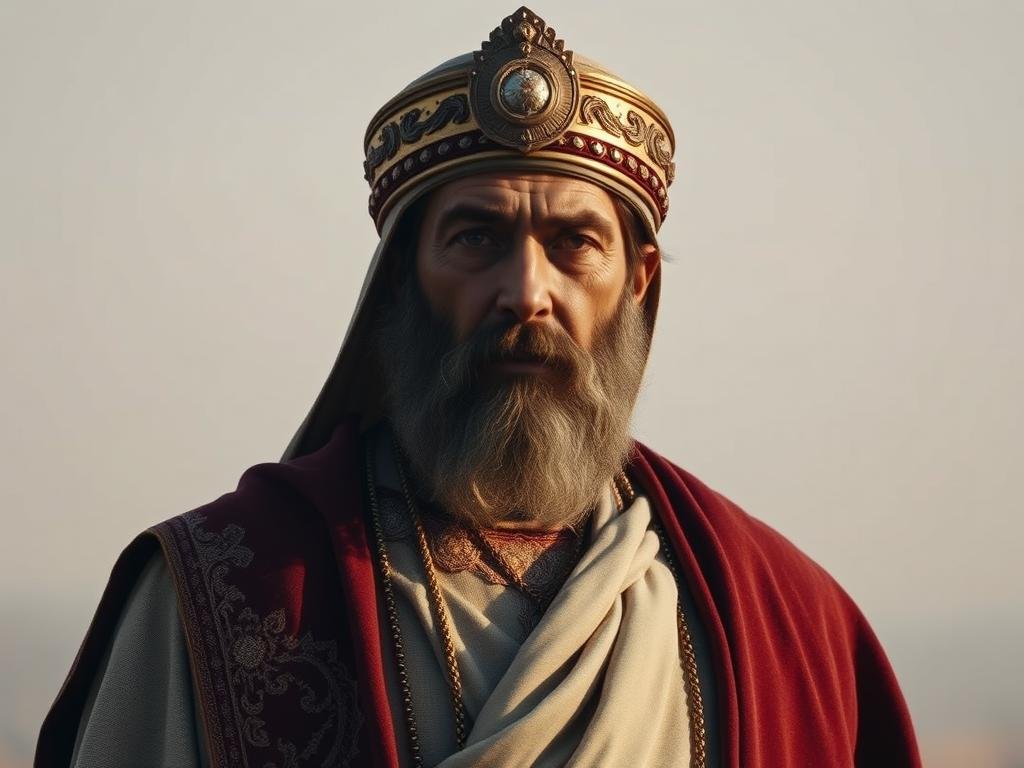
The mission of liberation and the role with Moses
When Moses was called by God to deliver the people, Aaron became his spokesperson.
Together, they confronted Pharaoh and witnessed the ten plagues that struck Egypt. Aaron was fundamental in this process, using his rod to perform miracles that confirmed divine authority.
In desert, He continued to support Moses, supporting his hands during the battle against the Amalekites.
This unity between the brothers was crucial in guiding the people towards the promised land. Aaron's journey is a lesson in leadership and faith, showing how one man can impact an entire nation.

Moses opened the Red Sea. But in his shadow stood Aaron, a man who forever symbolizes our great High Priest. Be challenged by this faithful man whose story we must never forget. The Priest is Aaron's story and the first book in the popular Sons of Courage series about five men who silently changed eternity.
Who was Aaron in the Bible? Role and relevance in the Israelite narrative
Have you ever wondered how one man became essential to the liberation of a nation? Aaron, Moses' brother, was a central figure in the history of the Israelite people.
His work as a spokesperson and leader helped shape the identity of a nation in search of the promised land.

Moses' role as spokesman to Pharaoh
When Moses was called by God, Aaron became his voice before Pharaoh. He used his rod to perform miracles, such as turning it into a snake, confirming divine authority.
This act was crucial in convincing the Egyptian leader to release the people Israeli.
During the plagues, he was a mediator between Moses and Pharaoh. His presence strengthened the message of deliverance, showing that faith and action can change the course of life. history.
Influence on the formation of the people of Israel
In desert, Aaron continued to be an essential leader. He supported Moses at decisive moments, such as the battle against the Amalekites.
His work helped unite the people and to strengthen their identity as God's chosen nation.
In addition, he was consecrated as the first high priest, establishing a priesthood which lasted for generations. His spiritual leadership was fundamental in guiding the Israelites towards the promised land.
The priesthood and the miracles performed by Aaron
Do you know how the Hebrew priesthood was established and the miracles that marked this journey?
The story of Aaron as high priest is full of moments that have strengthened the faith of the people and confirmed the divine authority.
Consecration and institution of the priesthood
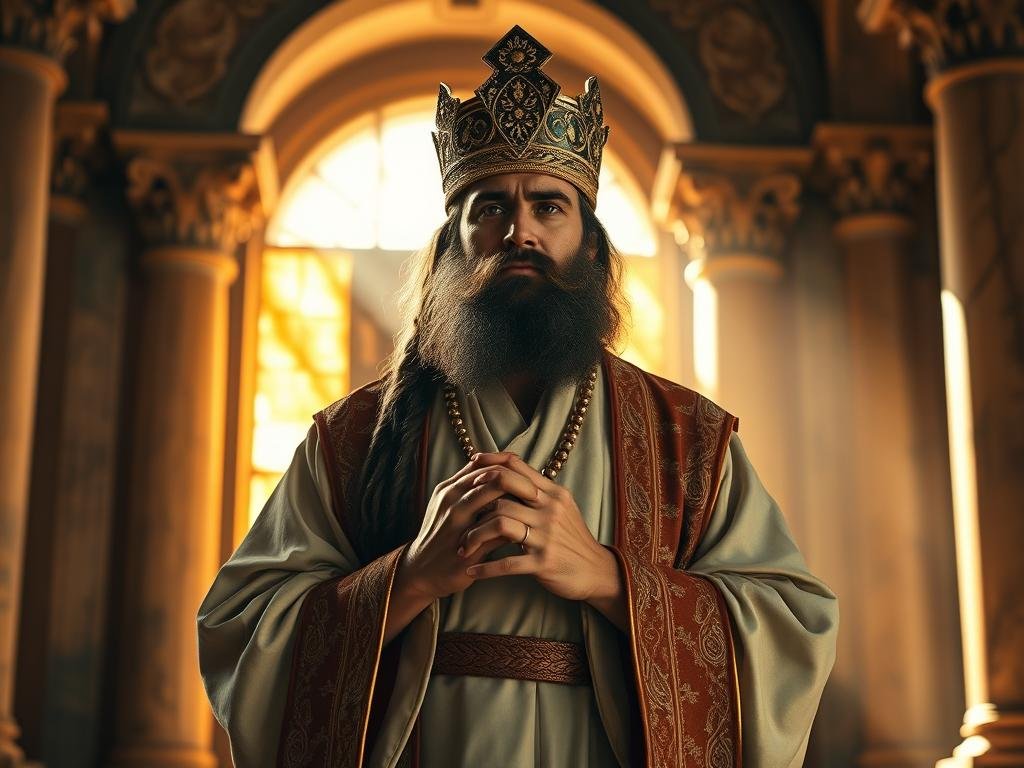
Aaron was chosen by God to be the first high priest. He was given special clothes and underwent consecration rituals.
These acts simbolizavam sua missão de liderar a worship and mediate between the Lord and the people.
One of the most remarkable events was the transformation of his stick into a flower. This miracle confirmed his authority and established the model of the Hebrew priesthood.
The priestly line continued with his sons, Eleazar and Itamar.
Miracles in Egypt and the desert
In Egypt, Aaron took part in miracles that challenged Pharaoh. He turned water into blood and summoned frogs, showing God's power.
These pests were essential for the liberation of the Israelites.
In desert, He continued to be a divine instrument. During the journey, his rod blossomed again, strengthening his faith. people.
These miracles not only validated his mission, but also guided the Israelites towards the promised land.



Aaron's challenges, mistakes and spiritual lessons
Have you ever thought about the moments when faith was tested in biblical history? The trajectory of Aaron was not only marked by miracles and leadership, but also by challenges and mistakes that brought profound lessons for the future. people of Israel.

The golden calf episode
One of the most critical moments in Aaron was the episode of the golden calf. During Moses' absence, the people, Anxious and insecure, he pushed Arão to create an idol.
He gave in and fashioned a golden calf, wearing the earrings brought by the people.
This act of idolatry directly violated the second commandment and had serious consequences.
God's wrath was manifested, and Moses had to intercede for people. This episode serves as a reminder of the importance of keeping the faith, even in times of pressure.
Internal conflicts and the attitude towards adversity
Beyond the golden calf, Aaron faced internal conflicts. On one occasion, he and Miriam questioned Moses' leadership, resulting in divine punishment.
Miriam was struck with leprosy, and Aaron had to recognize his mistake and intercede for her.
These moments show how spiritual leadership requires humility e resilience. Aaron, despite his faults, learned to stand before God and seek reconciliation.
His journey teaches us that mistakes can be transformed into opportunities for learning and spiritual growth.
Aaron's death and his legacy in biblical history
Do you know the moment when Aaron's leadership came to an end? His career, marked by challenges and miracles, had a final chapter in the Mount Hor.
At the age of 123, he was called by God to climb to the summit, where his life would have a symbolic and emotional ending.
According to Deuteronomy 10:6, Aaron died on the top of Mount Hor, a place which has become emblematic in the biblical narrative.
Before leaving, he transferred his priestly garments to his son Eleazar, signaling the continuity of the priesthood.
This act was crucial to maintaining the spiritual structure of the people Israeli.
The reason why Aaron couldn't enter the promised land is linked to the Meribah episode.
His disobedience in striking the rock instead of talking to it resulted in divine punishment. This event reinforces the importance of faith and obedience in the spiritual journey.
After your death, The Israelis mourned for 30 days, demonstrating the impact of his leadership.
Aaron left a legacy that outlived his physical life, influencing generations to come. His story teaches us that, even with flaws, it is possible to leave a positive mark.
The transfer of priestly responsibility to Eleazar
The moment of the transfer of the priestly garments was full of significance. Aaron, now elderly, went up Mount Hor accompanied by Moses and Eleazar.
There, he passed on his sacred clothes to his son, symbolizing the continuity of the mission.
This act not only guaranteed the religious order, but also strengthened the confidence of the people in God.
Eleazar took on the role of high priest, keeping alive the lineage established by his father.
| Events | Meaning |
|---|---|
| Death on Mount Hor | End of an era of spiritual leadership |
| Transfer of robes | Continuity of the priesthood |
| 30-day mourning | Impact of the loss on the Israeli people |

Mundo Cristão presents the newest biblical fiction series by Francine Rivers. This time, the Bible's supporting characters series deals with the supporting characters in the history of God's people. The first title is “The Priest”, which tells the story of Aaron, a character who was always at Moses' side.
Conclusion
The trajectory of Aaron shows us how a leader can influence an entire nation. He was essential as priest and mediator between the Sir and people, leaving a legacy that has outlived its age.
Their successes and mistakes have taught them valuable lessons. The golden calf episode and the transfer of the priesthood to Eleazar are examples of its importance.
Your death on Mount Hor, according to Deuteronomy 10:6, marked the end of an era, but its impact remained.
Aaron teaches us that, even with failures, it is possible to leave a positive mark. His story inspires the search for faith and obedience, showing that every time that we place ourselves before God, we can make a difference.
FAQ
What was Aaron's role alongside Moses?
He acted as Moses' spokesman before Pharaoh, helping to free the Israelite people from Egypt. His presence was essential in strengthening his brother's leadership.
How did Aaron become high priest?
He was consecrated by Moses, following divine instructions, to lead the priesthood and represent the people before God.
What were the main miracles performed by Aaron?
He performed powerful signs, such as turning his rod into a serpent and bringing plagues to Egypt, demonstrating divine power during the Exodus.
What happened in the golden calf episode?
In Moses' absence, Aaron gave in to the people's pressure and built a golden idol, a mistake that had serious consequences for Israel.
What was Aaron's death like?
He died on Mount Hor, at the age of 123, after transferring the priesthood to his son Eleazar, fulfilling the divine purpose.
What is Aaron's legacy in biblical history?
He left a legacy of spiritual leadership, being the first high priest and an example of how God uses imperfect people to fulfill His plans.