
- Topic: the image of the shepherd in Psalm 23 and John 10
- Main texts: Psalms 23:1–6 and John 10:1–30
- Biblical text: cited by reference and summarized in my own words
- Context: a psalm attributed to David and a discourse by Jesus related to the shepherding of Israel
- Please note: John 10 does not quote Psalm 23; the connection is thematic
- Who it's for: Anyone who studies both texts or wants to understand what connects them
Psalm 23 and chapter 10 of the Gospel of John use the same image: someone who tends sheep. One is a poem attributed to David. The other is a discourse by Jesus.
Anyone who reads the two in succession will notice similarities, but also differences. Understanding what unites and what separates the texts helps avoid both a rushed reading and a forced comparison.
In this article, the excerpts are cited by reference and summarized using language from the website. To read the full text, open the Bible in the edition you use and follow along with the indicated verses.
What Psalm 23 Presents
The psalm can be read in two parts. In verses 1 through 4, the speaker describes God as a shepherd: He leads, gives rest, and accompanies us even through the dark valley. In verses 5 and 6, the image shifts to that of a host who sets the table and welcomes us.
The text is written in the first person. It does not explain doctrine; rather, it expresses confidence. The title of the psalm attributes it to David, and tradition follows this attribution, although its authorship and date of composition are debated. For more on David’s life, see Who was David in the Bible?.
What John 10 Presents
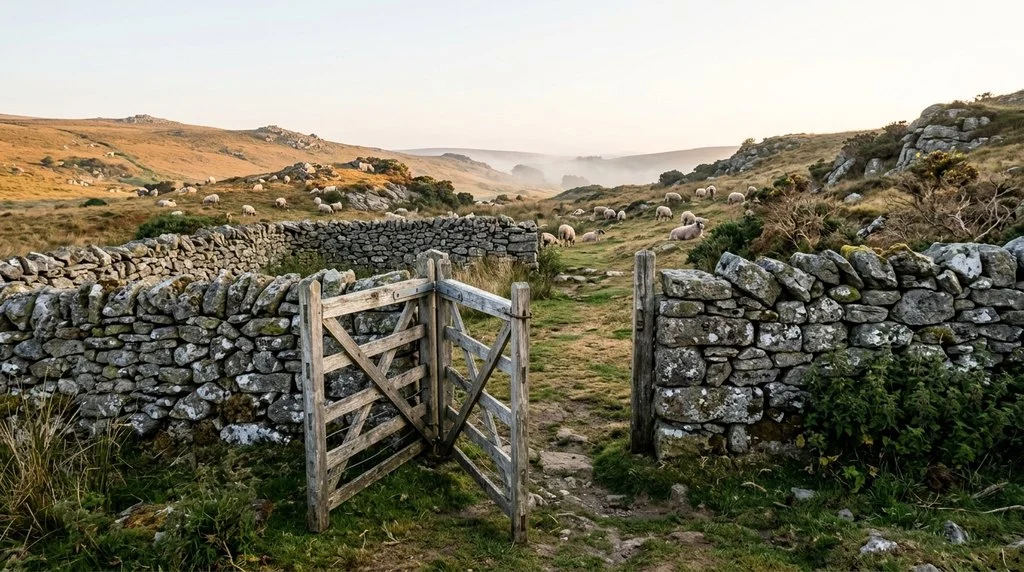
In John 10:1–5, Jesus describes a sheepfold. The shepherd enters through the gate; the sheep recognize his voice and follow him. The text then notes that the listeners did not understand the analogy.
In verses 7 through 10, Jesus presents himself as the gate for the sheep. In verses 11 through 18, he presents himself as the good shepherd, who lays down his life for the sheep, in contrast to the hired hand who flees when the wolf comes. Verse 16 speaks of other sheep who are yet to be gathered.
Chapter 10 follows immediately after the healing of the man born blind in chapter 9 and the dialogue between Jesus and the Pharisees that concludes that chapter (John 9:39–41). Verse 22 places the second part of the discourse during the Feast of Dedication, in the winter, in Jerusalem.
The two texts side by side
| Point | Psalm 23 | John 10 |
|---|---|---|
| Gender | Poetry, in the first person | Jesus' Sermon, with Illustrations |
| Center image | God as Shepherd and Host | Jesus as the Gate and as the Good Shepherd |
| Relationship with the sheep | Guides, provides rest, and protects | He knows the sheep, who recognize his voice |
| Threats | Dark Valley and Enemies | The Thief, the Wolf, and the Runaway Servant |
| Death | Accompanied by the shepherd (v. 4) | The shepherd lays down his life (vv. 11, 15, 17–18) |
| Outcome | To dwell in the house of the Lord (v. 6) | Life in abundance (v. 10) and security (v. 28) |


The Background: Pastors in Israel
It was common in the Old Testament to refer to God as a shepherd. This appears in Genesis 48:15, Psalm 80:1, and Isaiah 40:11. The leaders of the people were also called shepherds, as in Jeremiah 23:1–4.
The passage most similar to John 10 is Ezekiel 34. In verses 1 through 10, the shepherds of Israel are accused of looking out for themselves rather than for the flock. In verses 11 through 16, God declares that He Himself will seek out and care for the sheep. In verse 23, He announces a shepherd, His servant David.
When we read John 10 against this backdrop, the contrast between the good shepherd and the hired hand makes sense: Jesus speaks after a dispute over who leads the people (John 9:39–41).
How traditions interpret the connection
In the Christian interpretation, the shepherd of Israel and the Good Shepherd of John are one and the same—Jesus. Other New Testament passages follow the same line of thought, such as Hebrews 13:20, 1 Peter 5:4, and Revelation 7:17.
Jewish tradition interprets Psalm 23 as an expression of trust in God, within the Hebrew Bible, without any connection to John. Those who study the two texts from different perspectives reach different conclusions, and it is worth noting this with respect.
There is also an interesting note regarding the numbering: some ancient traditions list this psalm as number 22. If you consult an old Catholic edition, the number may not match that of the Bibles used in Brazil today.

See also: The 7 “I Am” Statements of Jesus in the Gospel of John
Frequently Asked Questions
Does Jesus quote Psalm 23 in John 10?
No. John 10 uses the same image of the shepherd, but it does not quote the psalm. The connection is one of theme and background, not of direct quotation.
Who wrote Psalm 23?
The title of the psalm attributes it to David, and tradition follows this attribution. Its authorship and date of composition are a matter of debate.
Why is the shepherd such a common metaphor in the Bible?
Shepherding was an activity familiar to the people. The image was used to speak of God as well as of kings and leaders, as in Ezekiel 34.
At which feast does Jesus speak in John 10?
Verse 22 places the second part of the speech at the Feast of Dedication in Jerusalem during the winter.
- Biblical text: The passages are cited by reference (Psalms 23; John 9 and 10; Ezekiel 34; Jeremiah 23; Isaiah 40; Psalms 80; Genesis 48; Hebrews 13; 1 Peter 5; Revelation 7) and summarized in the author’s own words, without reproducing the translation.
Notice: This content is informational and devotional and is not a substitute for pastoral, medical, psychological, or legal advice. This article does not include Bible translations; the passages are cited by reference. Illustrative images, when created by artificial intelligence, do not depict real people, places, or biblical scenes.