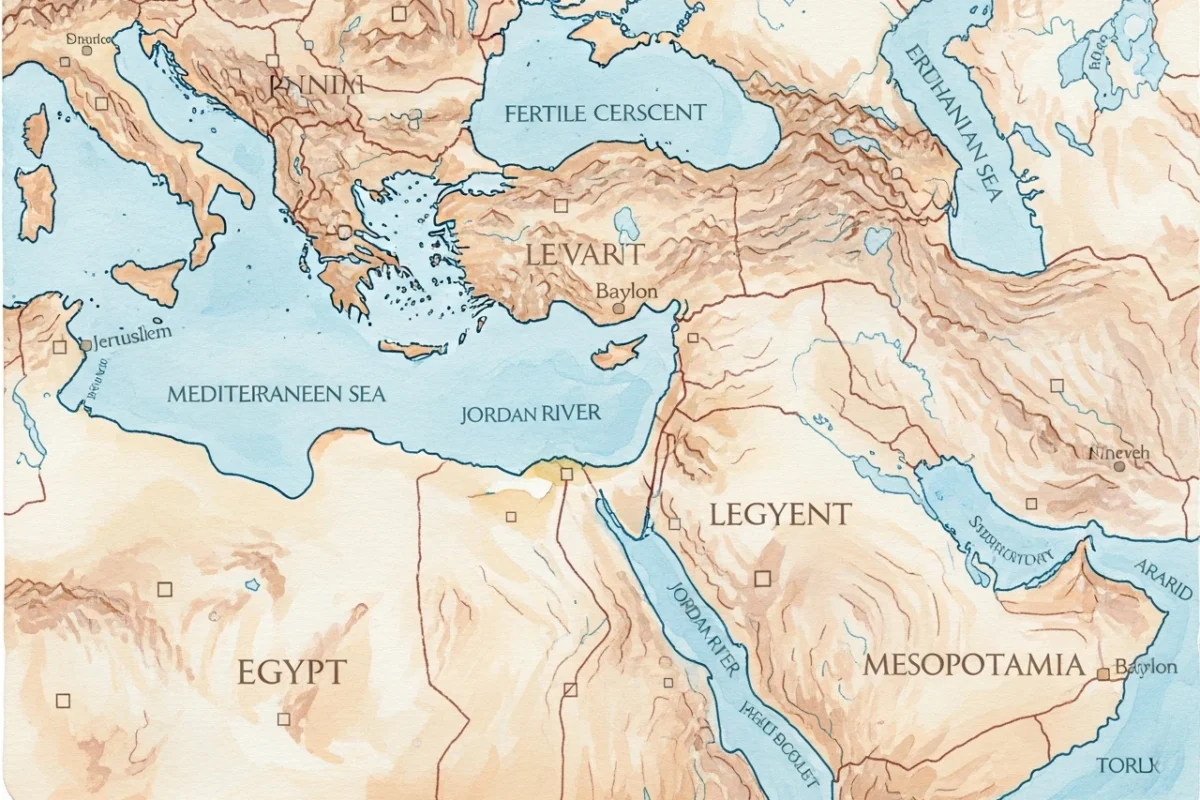
Exploring the Cities, Mountains, and Rivers Depicted in the Scriptures
Biblical geography is an essential tool for gaining a deep understanding of the historical context and the magnitude of the miracles described in the sacred text.
More than just names on an ancient map, every mountain, river, desert, and city carries a profound spiritual and prophetic meaning.
A journey through the pages of the Bible takes us from the gardens bathed by the first rivers of creation to the hills where great empires built their fortresses.
Understanding where places like the Jordan River, Mount Sinai, and the Sea of Galilee were located helps us visualize the journeys of the patriarchs, prophets and Jesus.
According to the archaeological maps and detailed topographic studies shared in the Wikipedia, the Fertile Crescent shaped the culture of the people of Israel.
Landmark events took place atop isolated mountains, while deep valleys served as the setting for decisive military battles for the survival of nations.
Many of these sites still exist in the Middle East today, attracting millions of pilgrims seeking to connect with the origins of their faith.
Can you identify the cities of refuge, the routes of the exodus, and the regions traveled by the apostles in the first century?
We have prepared this quiz Biblical Geography Quiz with 15 Questions and Answers to challenge your sense of direction and your historical memory.
If you'd like to look at maps or check the tribal divisions before you start, the full text is available on the website Bible Online.
Answer each question carefully and check the explanations for the answers in the answer key at the bottom of the page. Good luck on your test!
Quiz: Questions on Biblical Geography
1. What was the sacred mountain where Moses received the tablets of the Ten Commandments directly from God?
- a) Mount of Olives
- b) Mount Sinai (or Horeb)
- c) Mount Carmel
- d) Mount Tabor
2. In which river did the prophet John the Baptist perform baptisms, and where was Jesus himself baptized?
- a) the Nile River
- b) Euphrates River
- c) Jordan River
- d) Tigre River
3. Which city in the Bible is known for having its massive walls brought down after the people marched around it for seven days?
- a) Jericho
- b) Belém
- c) Nineveh
- d) Samaria
4. What are the two rivers mentioned in the Book of Genesis that flowed through the region of the Garden of Eden and still exist today?
- a) the Nile and the Jordan
- b) Tigris and Euphrates
- c) the Amazon and the Nile
- d) the Danube and the Rhine
5. In which city in Judea, the birthplace of King David, was Jesus Christ born in a manger?
- a) Nazaré
- b) Jerusalem
- c) Belém
- d) Capernaum
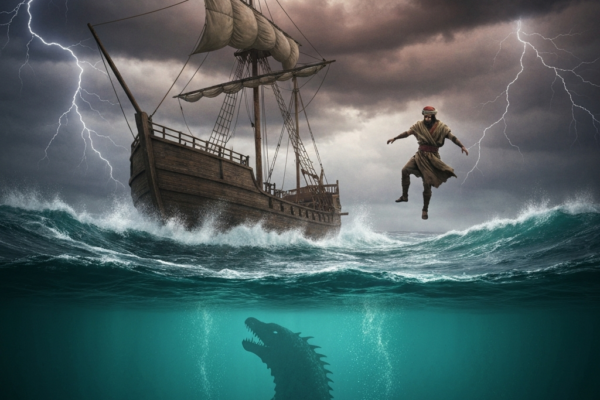
6. To which city did the prophet Jonah try to flee by ship so he wouldn't have to preach repentance to the people of Nineveh?
- a) Tarsis
- b) Jope
- c) Shooting
- d) Damascus
7. What was the name of the mountain where the prophet Elijah challenged and defeated the 450 prophets of Baal in a trial by fire?
- a) Mount Nebo
- b) Mount Gerizim
- c) Mount Carmel
- d) Mount Hermon
8. The Sea of Galilee, the setting for so many of Jesus’ miracles, is also known in the New Testament by what other name?
- a) Dead Sea
- b) Sea of Tiberias (or Lake Gennesaret)
- c) Red Sea
- d) Mar Grande
9. Which sea miraculously parted so that the people of Israel could cross on dry land during their escape from Egypt?
- a) Mediterranean Sea
- b) Red Sea
- c) Black Sea
- d) Caspian Sea
10. On which mountain did the patriarch Abraham take his son Isaac to be offered as a sacrifice, the place where the Temple was later built?
- a) Mount Moriah
- b) Mount Seir
- c) Mount of Olives
- d) Mount Sinai
11. Which city was the capital of the Assyrian Empire, to which the prophet Jonah was sent to preach a message of judgment and repentance?
- a) Babylon
- b) Nineveh
- c) Susã
- d) Damascus
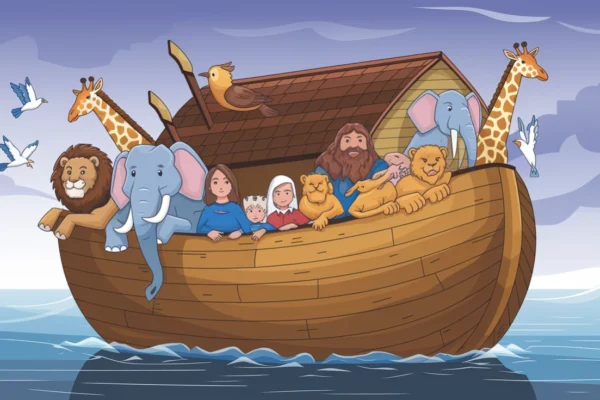
12. On the summit of which mountain did Noah’s ark come to rest after the waters of the Great Flood began to recede?
- a) Mount Sinai
- b) The Mountains of Ararat
- c) Mount Nebo
- d) Mount Hor
13. In which city was the apostle Paul born—an important metropolis located in the Roman province of Cilicia?
- a) Tarsus
- b) Antioquia
- c) Ephesus
- d) Corinth
14. From the top of which mountain was the prophet Moses able to see the Promised Land before he died, yet was unable to enter it?
- a) Mount Carmel
- b) Mount Nebo
- c) Mount Tabor
- d) Mount Hermon
15. Which city was destroyed by fire and brimstone from heaven in the days of Abraham because of its extreme wickedness and sin?
- a) Sodom
- b) Jericho
- c) Samaria
- d) Jope
3 Amazing Geographical Facts from the Bible
- The lowest point on Earth is mentioned in the Bible: The Dead Sea, often referred to in the Old Testament as the Salt Sea or the Sea of the Plain, is located in the deepest depression on the Earth’s crust. It lies more than 400 meters below sea level. Its waters have a salt concentration ten times higher than that of ordinary oceans, preventing any form of marine life from surviving there.
- The Strategic Importance of the Road to Damascus: The road to Damascus, where the apostle Paul had his life-changing encounter with Jesus, was one of the oldest and busiest trade routes in the ancient world. It connected Egypt to Mesopotamia. Whoever controlled this route dominated the trade in spices, textiles, and grains throughout the Middle East.
- The flowing waters of Hezekiah's tunnel: To protect Jerusalem from the siege by the Assyrian king Sennacherib, King Hezekiah undertook a monumental feat of biblical engineering. He dug a 533-meter tunnel through solid rock to divert water from the Gihon Spring into the city walls, where it flowed into the Pool of Siloam. This tunnel still exists today, and archaeologists are still amazed at how two teams digging in opposite directions managed to meet in the middle with perfect precision.
Conclusion and Results
Understanding the big picture of Scripture transforms our reading of the Bible, bringing color, depth, and much greater realism to the stories of faith that have transformed humanity.
So, how did you do on the Bible map? See how many questions you got right and share the challenge with your friends!
👉 Challenge Friends on WhatsApp
Write your comment below and let us know how many points you scored so we can see how much you know about geography!
Answer Key – Quiz Answers
- 1. b) Mount Sinai (or Horeb) (The sacred site on the Sinai Peninsula where the Law was given to the people of Israel.).
- 2. c) Jordan River (The main river of Palestine, whose waters were the setting for miraculous crossings and the beginning of Christ’s public ministry.).
- 3. a) Jericho (Considered one of the oldest cities in the world, whose fortifications fell by the power of God under the leadership of Joshua.).
- 4. b) Tigris and Euphrates (Mentioned in Genesis 2, they crossed territories that today belong to countries such as Turkey, Syria, and Iraq.).
- 5. c) Bethlehem (The small town in Judea, also called the City of David, fulfilling the famous prophecy of the prophet Micah).
- 6. a) Tarsis (A place in the exact opposite direction from the one God had commanded, likely located in present-day Spain.).
- 7. c) Mount Carmel (A mountain range on the coast of Israel where the power of the living God was publicly demonstrated through fire.).
- 8. b) Sea of Tiberias (or Lake Gennesaret) (A large freshwater lake fed by the Jordan River, surrounded by cities where Jesus performed most of his miracles.).
- 9. b) Red Sea (The gulf of the Indian Ocean whose waters parted during the great deliverance of the Exodus).
- 10. a) Mount Moriah (The hill in Jerusalem where Abraham demonstrated his faith and where Solomon, centuries later, built the Holy Temple.).
- 11. b) Nineveh (The proud and violent Assyrian capital that surprised everyone by repenting in sackcloth after Jonah’s sermon.).
- 12. b) The Mountains of Ararat (A mountainous region located in the far east of modern-day Turkey, near the borders with Armenia and Iran.).
- 13. a) Tarsus (A major commercial and intellectual center of the Roman world, which ensured that Paul had Roman citizenship by birth.).
- 14. b) Mount Nebo (Located in present-day Jordan, offering a panoramic view of the Jordan Valley and the Dead Sea).
- 15. a) Sodom (Located on the Jordan Plain, destroyed because of its grave sin and lack of repentance.).