- Topic: Morning Prayer for Each Day of the Week
- Supporting texts: Psalm 5:3; Lamentations 3:22–23; Psalm 90:14; Psalm 143:8; Psalm 59:16; Psalm 92:1–2; Psalm 118:24
- Used edition: none; the texts are cited by reference and paraphrased in my own words
- Prayers: originals from the website, to read aloud or silently
- Who it's for: Anyone looking for a simple way to start the day
Morning prayer is the first thing many people do when they want to start their day calmly, before their cell phones and the rush of the day take over. This article brings together seven original prayers—one for each day of the week—each based on a biblical passage cited by reference.
The prayers below are suggestions. They can be read aloud, silently, or replaced with your own words, because the biblical text serves as a guide rather than a fixed script.
Each day features a scripture reference, a brief explanation of the context, and a prayer. The texts are paraphrased—that is, summarized in your own words. To read the full passage, open your Bible to the indicated reference.

How to Use the Morning Prayer During the Week
Set aside two to five minutes. The specific time is less important than consistency, so you can do this before getting out of bed, while having coffee, or on your way to work.
First read the Bible passage, then the prayer, and end with a moment of silence. That way, morning prayer becomes a simple habit rather than just another task on your to-do list.
If you're looking for just one verse to start your day, check out Good Morning Verses. For those who prefer a single prayer, the standalone morning prayer can be found in another article on the website.
A practical tip: Portuguese Bibles usually follow the Hebrew numbering of the Psalms, but older editions—such as those based on the Vulgate—number several psalms one lower. If you can’t find the text, check the adjacent number.
Seven days, seven readings: a morning prayer for each day
Monday: Morning prayer for guidance (Psalm 5:3)
In other words: The psalmist says that he presents his request early in the morning and then waits for an answer.
Context: The title of Psalm 5 attributes it to David. It is a plea made in the face of threats from people who act deceitfully, and so the morning’s request is for guidance.
Prayer: Lord, I begin this week by bringing to You what is on my mind. Give me clarity for today’s decisions and the calm to listen before I speak. Teach me to wait for the right time for things to happen. Amen.
Tuesday: Morning Prayer of Gratitude (Lamentations 3:22–23)
In other words: The text states that God's love never fails and that His faithfulness is renewed every morning.
Context: Lamentations is a collection of poems mourning the destruction of Jerusalem around 586 B.C., and tradition attributes the book to the prophet Jeremiah. In the midst of a poem of sorrow, this passage serves as a beacon of hope, which is why it is so often read in the morning.
Prayer: Thank you for this new day. I acknowledge what I received yesterday and what I cannot yet see. Help me to start anew without carrying the weight of the past. Amen.
Wednesday: Pay attention to what is simple (Psalm 90:14)
In other words: The psalmist asks that God's love come quickly and bring joy to the days ahead.
Context: The title of Psalm 90 attributes it to Moses, and tradition upholds this attribution. It is a meditation on the brevity of life, which makes the morning prayer all the more meaningful: to make the most of the day we have.
Prayer: Lord, may I live this day without rushing. Teach me to notice the simple things: the food on the table, a conversation, work done with care. Amen.
Thursday: Morning Prayer for Choosing the Right Path (Psalm 143:8)
In other words: The psalmist asks to hear of God's goodness in the morning and to be shown the path to follow, because he trusts in Him.
Context: It is a prayer that the title attributes to David, written during a time of persecution. The request is not for a life free of difficulties, but for guidance in the midst of them.
Prayer: Show me the way to go today. When I have to make a choice, grant me wisdom. When I make a mistake, grant me the humility to start over. Amen.
Friday: Sing of the strength you have received (Psalm 59:16)
In other words: The psalmist promises to sing of God's strength and love in the morning, because God was his refuge in a time of distress.
Context: The title of the psalm links it to the episode in which Saul ordered David’s house to be watched so he could kill him, as recounted in 1 Samuel 19. The morning song comes after a perilous night.
Prayer: Lord, as I wrap up this workweek, I acknowledge that I had strength that came from a source beyond myself. Give me courage for what lies ahead and a sense of lightness for what has already been done. Amen.
Saturday: Gratitude in the morning and at night (Psalm 92:1–2)
In other words: It is good to give thanks to the Lord, to proclaim his love in the morning and his faithfulness at night.
Context: The title of Psalm 92 describes it as a song for the Sabbath, the day of rest in the Jewish tradition. That is why the prayer for that day combines rest and thanksgiving.
Prayer: May this day of rest be a true one. May I rest without guilt, take care of those I love, and give thanks in the morning so that I may reach the evening with a peaceful heart. Amen.
Sunday: Morning Prayer to Welcome the Day (Psalm 118:24)
In other words: The psalmist declares that God made that day and invites the people to rejoice in it.
Context: Psalm 118 concludes the collection of psalms of praise (113–118), which are sung during Jewish festivals such as Passover. Christians also apply it to Resurrection Sunday, which is an interpretation rooted in Christian tradition rather than the original text.
Prayer: Lord, I welcome this Sunday as a day of thanksgiving. May I rejoice in all that is good, be present with my family and my community, and start the coming week with a lighter heart. Amen.
Is it in the Bible? God helps those who get up early
The phrase is a popular saying and does not appear as a Bible verse. Proverbs 6:6–11 speaks of diligence and laziness, but does not mention those words. Praying in the morning is a custom associated with the Psalms, not a rule for receiving help.



When Morning Prayer Seems Too Short
There are days when time allows for nothing more than a single sentence. In that case, that sentence becomes that day’s morning prayer: giving thanks for waking up, asking for calm in the face of what’s to come, and moving forward.
Anyone who wants a single, longer version can read it this standalone morning prayer, previously published on the website.
How does your day change when you start it with a few minutes' break? Perhaps the answer becomes clear through repetition over the course of the week, rather than on a single day.

See also: Good Morning Verses
Frequently Asked Questions
What is the best time for morning prayer?
The best time is the one you can stick to. Some people prefer to do it before getting out of bed, others after breakfast, and just two minutes is enough to make it a habit.
Do I need to memorize the prayers?
No. Read it on paper or on your phone, or just use your own judgment and put it into your own words.
Can I say the morning prayer with my family?
Yes. Each person can read a line of the prayer, or one adult can read it and the others can respond with the final “Amen.”.
- Biblical text: cited only by reference and in my own paraphrase, without reproducing any published translation.
- The prayers are originally from the Biblical Quotes Channel.
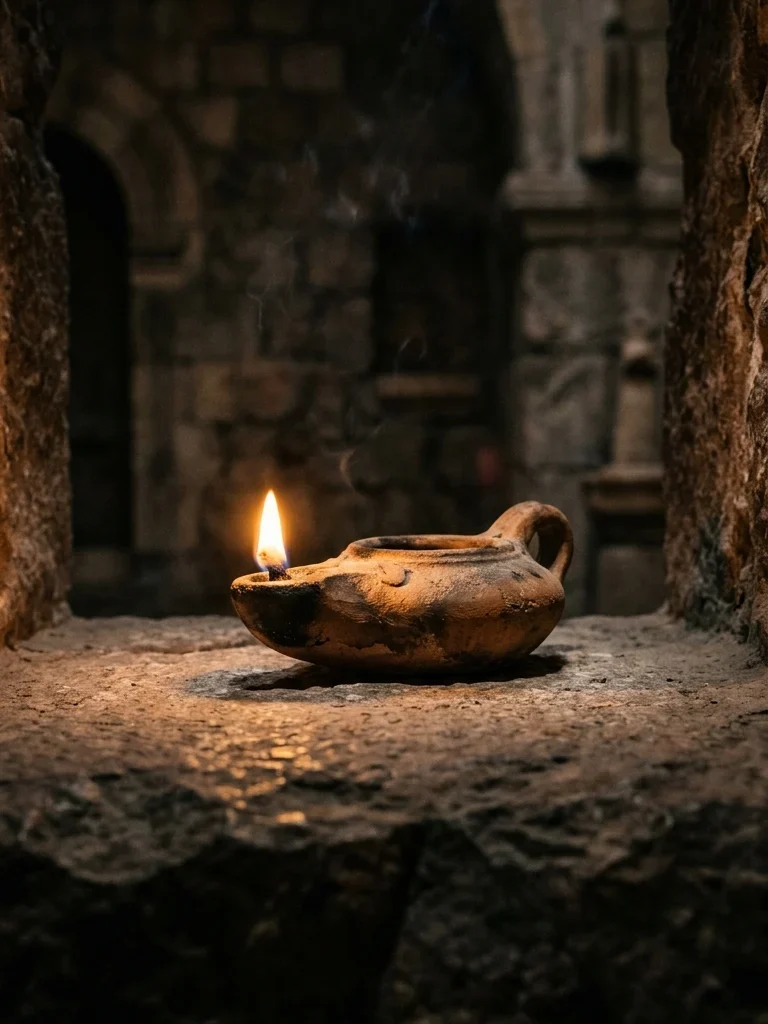
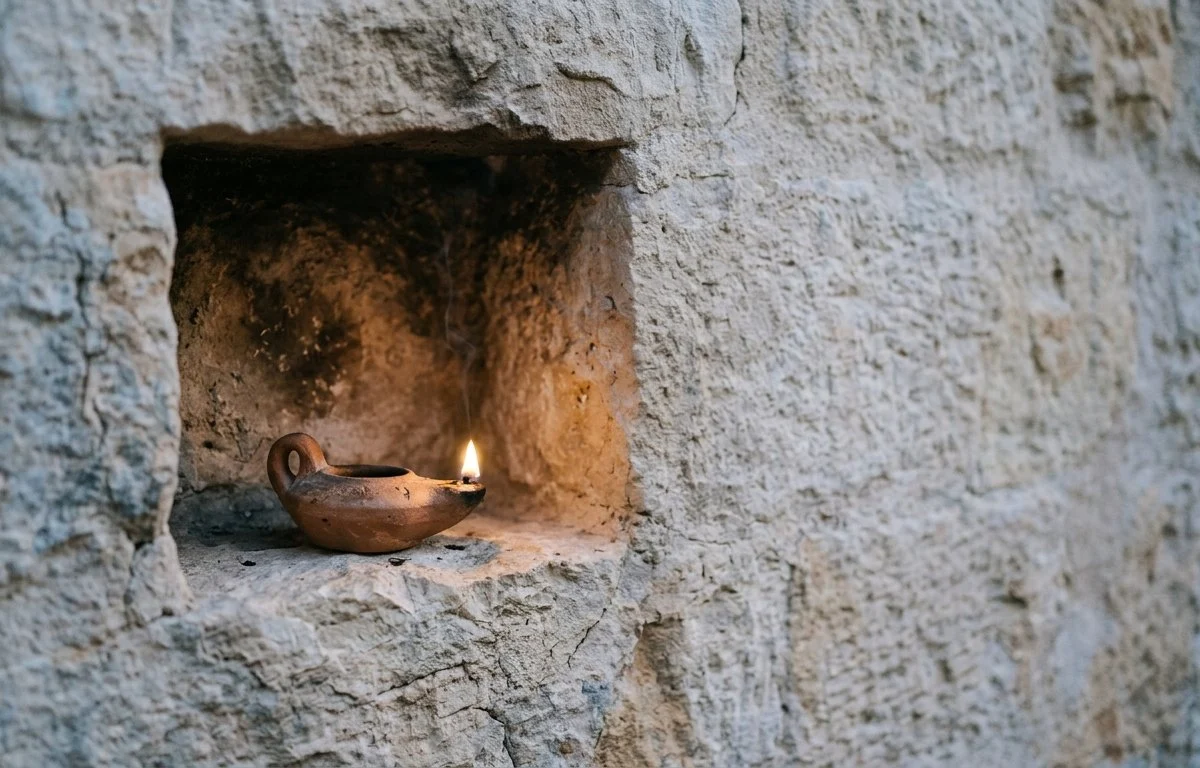
Notice: This content is intended for informational and devotional purposes only and is not a substitute for pastoral, medical, psychological, or legal advice. Biblical passages are included by reference and paraphrased. The illustrative images, created using artificial intelligence, do not depict real people, places, or biblical scenes.