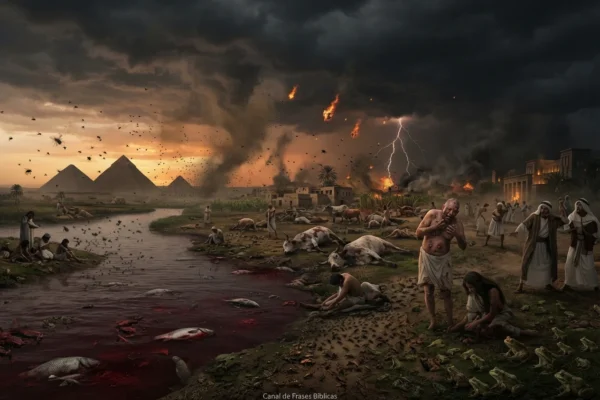
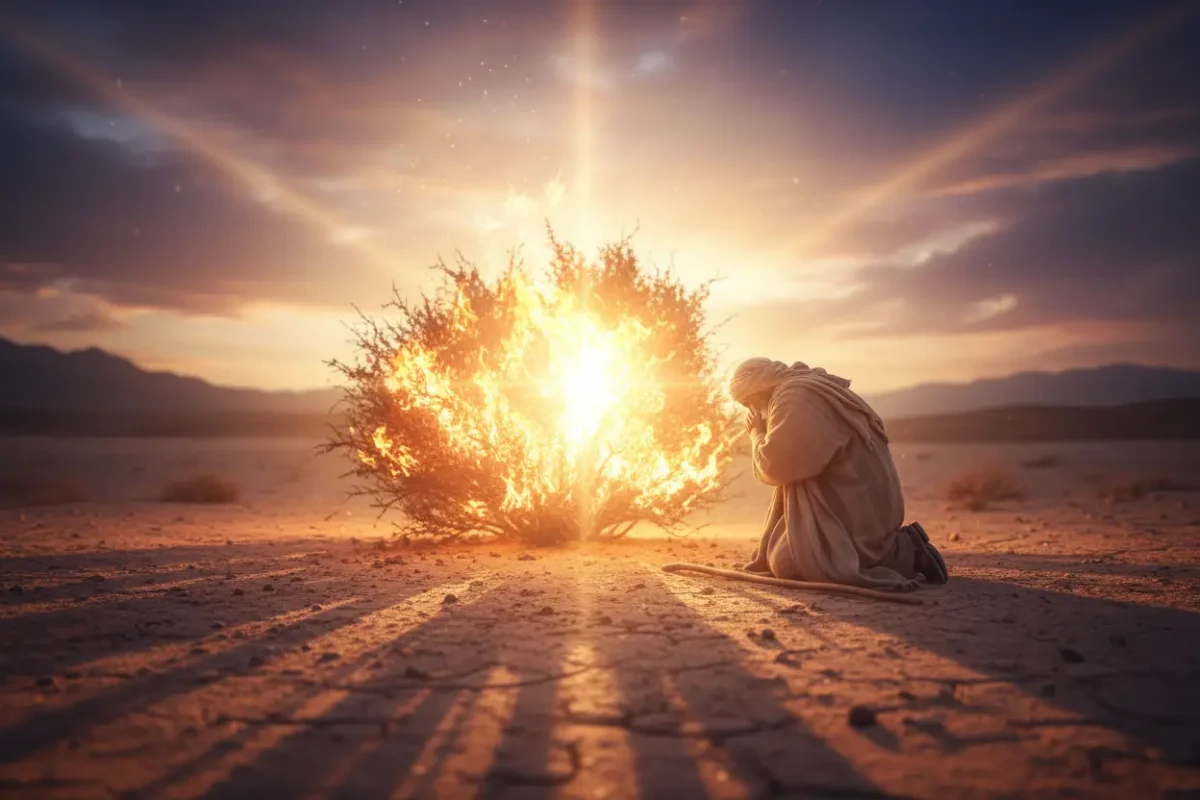
The story of Moses and the burning bush in Exodus is one of the most powerful accounts in the Bible, marking the beginning of an extraordinary journey. This divine encounter is not merely a historical event, but a theophany rich in symbolism and profound theological significance. Get ready to deepen your understanding of this pivotal moment and its timeless lessons for faith.
The Historical and Biblical Context of Moses
To understand the 5 Lessons from the Burning Bush, we need to look at the situation in Egypt during the New Kingdom period.
The Hebrew people were subjected to severe slavery under the oppression of a dynasty that feared Israel's growth.
The Transition from Prince to Shepherd
After being raised at the Egyptian court, Moses found himself in exile in Midian for forty years.
The scriptures indicate that this period of anonymity was a necessary preparation for breaking down the future leader's ego.
The text suggests that the desert serves as a crucible, where character is refined far from the distractions of civilization.
Tradition holds that Moses learned to tend sheep before he was called to lead an entire nation.
The Geographic Setting of Midian
The Midian Desert was an arid region located on the Sinai Peninsula, where survival depended on knowledge of water sources.
Biblical historians say that Mount Horeb was considered a sacred site long before Moses arrived there.
Moses was accustomed to the solitude and silence of the mountains when he caught sight of the supernatural phenomenon.
This journey through the desert always reminds me that our moments of anonymity have a divine purpose that we cannot yet see.
The Situation of Israel in Egypt
While Moses was tending his flock, the cries of the children of Israel rose to the heavens because of the bondage imposed by the pharaohs.
The historical context reveals that oppression was aimed at controlling the population through forced labor and infanticide.
The Scriptures show that God was not indifferent to the suffering of His people, preparing their deliverer in the silence of the desert.
This contrast between the palace and the bush is key to understanding the nature of the divine call.
Before we delve into the dialogue between God and the prophet, we need to understand the theological nature of this supernatural fire.
The Burning Bush: A Theophany and Its Meaning
God’s manifestation through the burning bush is what classical theology defines as a theophany.
It is a visible manifestation of the deity to human beings, imbued with symbolism and deep reverence.
The Fire That Does Not Consume
The most intriguing aspect of the story is that the bush was ablaze, yet the plant did not turn to ashes.
“There the Angel of the Lord appeared to him in a flame of fire coming from the midst of a bush. Moses saw that the bush was on fire but was not being consumed.” (Exodus 3:2 NIV)
This fire symbolizes God’s purifying presence, which sustains life without destroying it by its very nature.
Many scholars suggest that the bush represented the people of Israel themselves: afflicted by the fire of persecution, yet preserved by God.
The Holiness of the Land
As he approached, Moses received a direct order to remove his sandals, since the ground was holy ground.
🙏 The spiritual lesson here is clear: God’s presence requires an attitude of humility and separation from the ordinary.
Taking off one's sandals symbolized leaving behind the dirt of the journey and human pretensions in the presence of the Creator.
⚠️ A common mistake is to believe that we can draw closer to the divine without a change of attitude or heart.
The Mystery of the Divine Name
In this encounter, God reveals His identity as “I Am Who I Am,” establishing His eternal self-existence.
Unlike the Egyptian gods, who had specific and limited names, the God of Israel presents himself as the Absolute.
The text suggests that this revelation was intended to give Moses authority in the eyes of the elders and Pharaoh himself.
This definition of divine identity forever changed humanity’s understanding of the nature of the Most High.
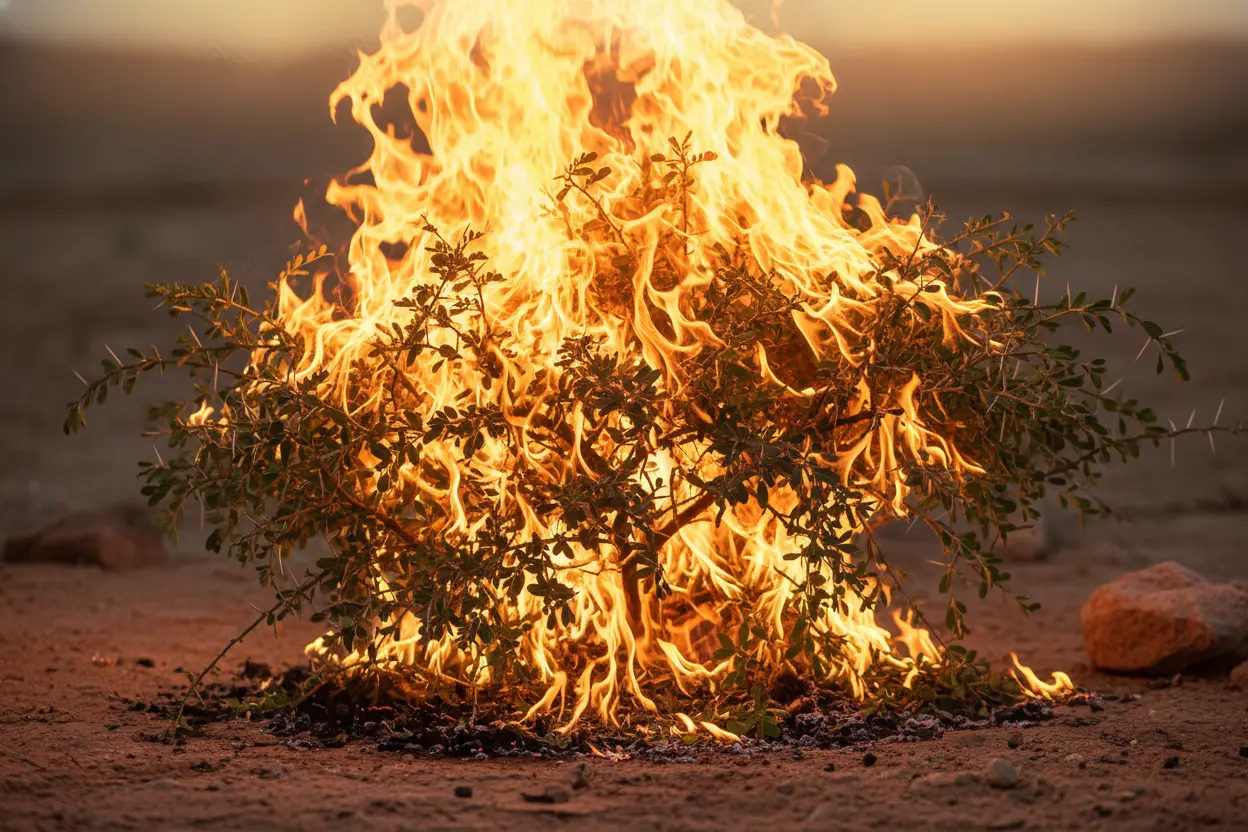
The burning bush represents the divine presence that preserves whatever it touches.
Following this visual display, one of the most honest and challenging dialogues recorded in the entire Holy Bible began.
The Key Dialogues and God's Call
The dialogue between God and Moses at the burning bush reveals human resistance in the face of the grandeur of God's plans.
Moses raised several objections, each of which was met with a promise of empowerment and constant presence.
As Objeções de Moisés
Moisés questionou sua própria capacidade, sua oratória e até mesmo sua aceitação pelo povo que pretendia libertar.
As escrituras indicam que ele sentia o peso do seu passado e a fragilidade de sua condição atual de pastor.
Ele perguntou: “Quem sou eu para ir ao faraó?”, demonstrando uma insegurança que muitos de nós compartilhamos.
A resposta de Deus não foi elogiar as habilidades de Moisés, mas garantir que estaria com ele em cada passo.
A Vara e os Sinais
Para confirmar Sua autoridade, Deus transformou a vara de pastor de Moisés em uma serpente e depois a restaurou.
Este sinal demonstra que as ferramentas comuns do nosso cotidiano podem se tornar instrumentos de poder nas mãos de Deus.
O texto sugere que o Senhor utiliza o que já temos para realizar aquilo que ainda não imaginamos ser possível.
A vara, antes usada para guiar ovelhas, agora seria usada para confrontar o maior império da época.
Related Passages
| Book | Verse | Central theme |
|---|---|---|
| Exodus | 3:5 | God's holiness |
| Atos | 7:30 | O anjo na sarça |
| Hebrews | 12:29 | Deus como fogo consumidor |
| Psalms | 105:26 | O envio de Moisés |
O chamado de Deus é sempre acompanhado pelo suprimento necessário para a execução da tarefa designada ao homem.
A experiência mística de Moisés no monte sagrado oferece princípios que permanecem fundamentais para a caminhada cristã contemporânea.



Practical Lessons from the Burning Bush for the Christian Life
The 5 Lessons from the Burning Bush servem como um guia para aqueles que buscam entender sua vocação espiritual.
Cada detalhe daquele encontro no Horebe aponta para verdades universais sobre a relação entre o Criador e a criatura.
1. Deus nos Encontra no Cotidiano
Moisés não estava em um templo, mas realizando seu trabalho comum quando a sarça começou a queimar.
🙏 O texto sugere que a espiritualidade não está desconectada da vida prática e das responsabilidades diárias.
Muitas vezes, o chamado divino surge em meio à rotina, transformando o que é ordinário em algo extraordinário.
Esteja atento, pois o Senhor pode falar através das circunstâncias mais simples do seu dia a dia.
2. A Necessidade de Retirar as Sandálias
A ordem para tirar as sandálias é um convite à transparência total e à reverência diante da santidade.
⚠️ Um erro frequente é tentar servir a Deus mantendo velhos hábitos que contaminam nossa jornada espiritual.
Retirar as sandálias significa reconhecer que, na presença do Pai, não precisamos de máscaras ou proteções humanas.
A santidade é o requisito básico para qualquer um que deseje ser um instrumento nas mãos do Todo-Poderoso.
3. O Chamado Supera Nossas Limitações
Moisés focou em sua gagueira, mas Deus focou em Sua própria soberania e na promessa de ser a boca do profeta.
A tradição aponta que Deus não escolhe os capacitados, mas capacita os escolhidos que se dispõem a obedecer.
Se você se sente insuficiente para uma tarefa, lembre-se que a força provém daquele que o enviou.
As escrituras indicam que o poder de Deus se aperfeiçoa justamente na nossa fraqueza e dependência.
4. A Presença é a Maior Garantia
A resposta final para todas as dúvidas de Moisés foi a frase curta e poderosa: “Eu estarei com você”.
Muitas vezes buscamos estratégias detalhadas, quando a única coisa que realmente precisamos é da companhia divina.
O texto sugere que a presença de Deus é o que nos diferencia e nos sustenta diante das adversidades.
Sem a presença, o deserto é apenas um lugar de morte; com ela, torna-se um caminho para a liberdade.
5. O Propósito é a Libertação do Próximo
O encontro na sarça não foi apenas para o benefício espiritual de Moisés, mas para a libertação de uma nação.
Todo chamado genuíno tem um desdobramento social e comunitário que visa abençoar outras pessoas.
As escrituras mostram que somos abençoados para sermos bênção, nunca para retermos a graça apenas para nós.
Reflita sobre como sua fé pode contribuir para aliviar o sofrimento daqueles que estão ao seu redor.
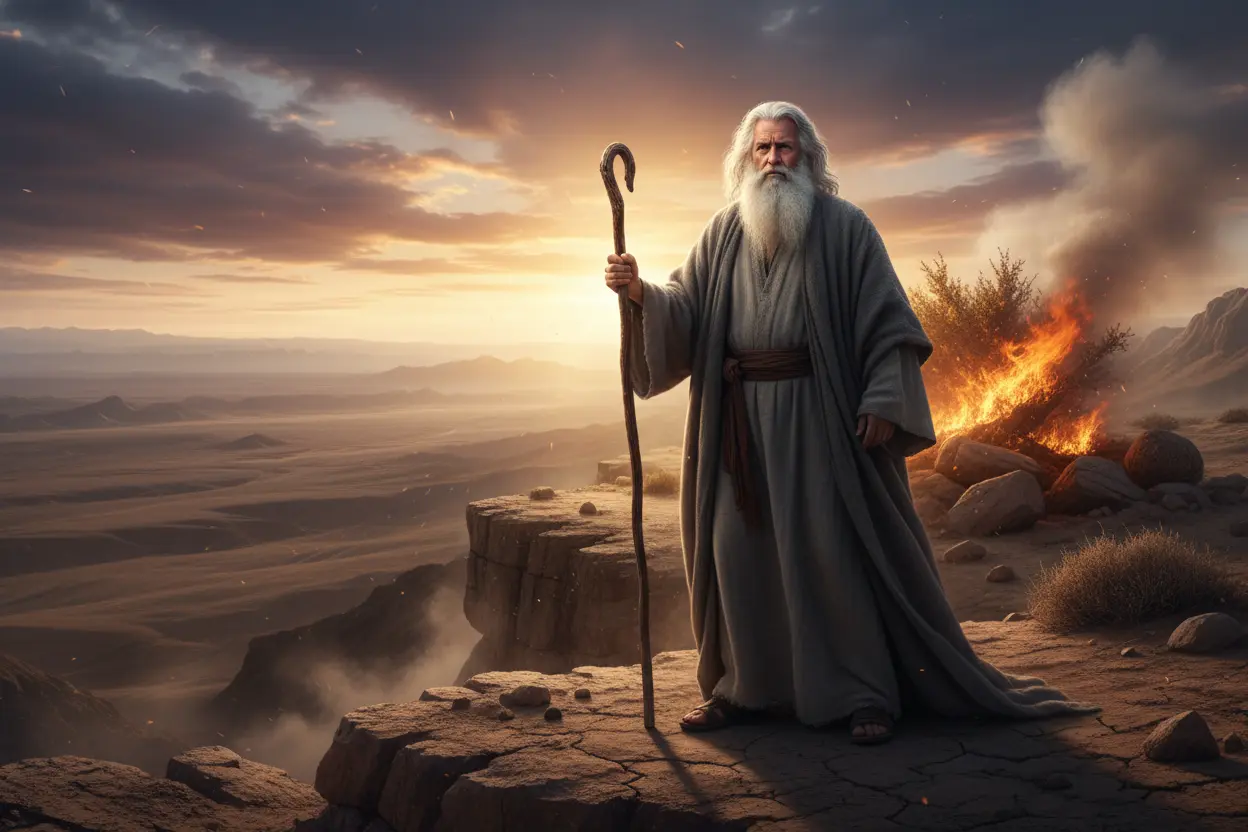
O chamado divino exige coragem para abandonar a zona de conforto do deserto.
Entender essas lições nos prepara para perceber que a sarça ardente não é apenas um evento do passado, mas uma realidade espiritual.
Deep Reflection: The Divine Presence in Our Daily Lives
A história da sarça ardente nos convida a uma introspecção sobre como percebemos o sagrado em nossas vidas.
Muitas vezes, passamos por “sarças” que queimam ao nosso lado, mas estamos distraídos demais para notar o brilho.
O Deserto como Lugar de Revelação
O deserto, com sua aridez e silêncio, é frequentemente o local onde Deus escolhe falar mais alto ao coração.
As escrituras indicam que as maiores revelações bíblicas ocorreram em momentos de isolamento e provação.
“Eu sou o Deus de seu pai, o Deus de Abraham, o Deus de Isaque e o Deus de Jacó.” (Êxodo 3:6 NVI)
Deus se apresenta conectando o presente de Moisés com as promessas feitas aos antepassados, mostrando Sua fidelidade.
A Resposta Humana ao Chamado
A atitude final de Moisés foi a de aceitação, apesar de todos os seus medos e receios iniciais.
A tradição aponta que a verdadeira fé não é a ausência de medo, mas a obediência apesar dele.
🙏 O texto sugere que, ao dizermos “eis-me aqui”, abrimos a porta para milagres que impactarão gerações futuras.
Que possamos ter a sensibilidade de ouvir a voz que clama do meio do fogo em nossa própria jornada.
Qual versículo te tocou mais? Compartilhe nos comentários.
A história de Moisés e a sarça ardente ressoa como um lembrete eterno do chamado divino e da presença de Deus. Que este relato inspire você a buscar sua própria sarça, a ouvir a voz do Senhor e a responder com fé. Compartilhe esta mensagem e inspire outros a refletirem sobre a grandiosidade de Deus!
This content is for informational and inspirational purposes. Consult a 2026 expert when necessary. Warning: The images used in this article are merely illustrative and may not accurately represent the content described.
FAQ – Common Questions About Moses and the Burning Bush
Preparamos esta seção para esclarecer as principais dúvidas sobre este encontro sagrado e como ele impacta nossa caminhada de fé hoje.
For us, Moses and the burning bush symbolize the encounter between human frailty and divine holiness, onde Deus se revela no comum para nos confiar uma missão. Esse evento simboliza que o Senhor nos encontra em nossos “desertos” para despertar propósitos que jamais imaginamos.
We recognize these moments when something in our routine captures our attention in a profound and persistent way, creating a holy restlessness. It’s that moment when we sense God’s presence inviting us to pause, listen, and recognize that we are on sacred ground, even in the midst of simple tasks.
Theologically, this shows us that God's presence is a fire that purifies and sustains, but He does not destroy what He wishes to use. For us, understanding what this means is realizing that divine grace empowers us without exhausting us, keeping our flame burning by His own power.
The key lesson is that God does not call the capable, but empowers those who are chosen que se dispõem a ouvir Sua voz. Ao entendermos o que a sarça ardente representa, percebemos que nossas desculpas de insuficiência perdem o sentido diante da autoridade de “Eu Sou o que Sou”.