If you're looking for information about Luke 4 in the New Testament, you've come to the right place. This chapter of the Bible tells the story of Jesus' temptation in the desert. After being baptized by John the Baptist, Jesus was led by the Spirit of the Lord into the desert, where he fasted for 40 days and was tempted by the devil.

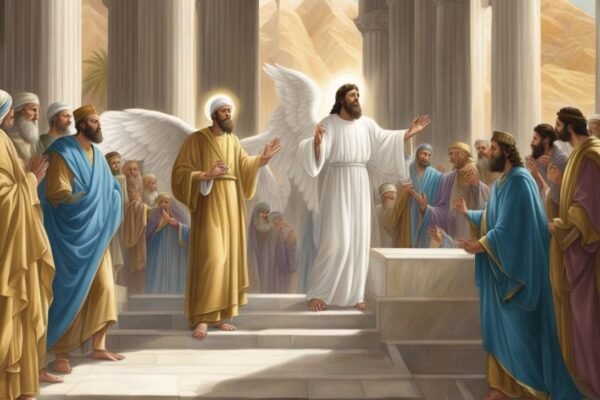
Luke 4 begins with Jesus returning from the Jordan, filled with the Holy Spirit. He is led by the Spirit into the wilderness, where he is tempted by the devil for 40 days. During that time, Jesus eats nothing, and by the end, he feels hungry. The devil tempts Jesus in various ways, but Jesus resists all the temptations, and finally, the devil leaves him alone.
This chapter also tells of the first time Jesus preached in a synagogue in Nazareth, where he read a passage from the Book of Isaiah and announced that he was the fulfillment of the prophecy. The crowd is impressed by his words, but some of the religious leaders are outraged and try to kill him. Luke 4 in the New Testament is a fascinating and inspiring story that shows Jesus’ strength and wisdom in the face of adversity.
The Ministry of Jesus in Nazareth
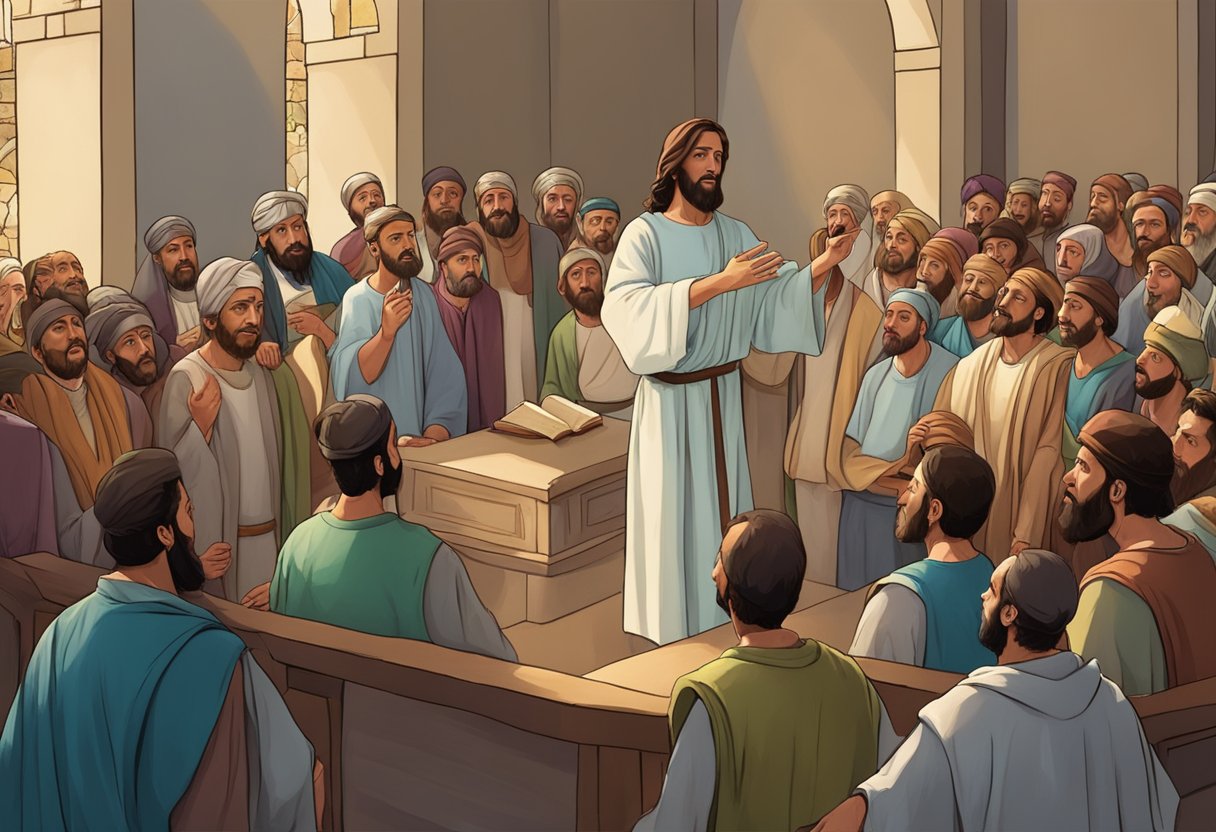
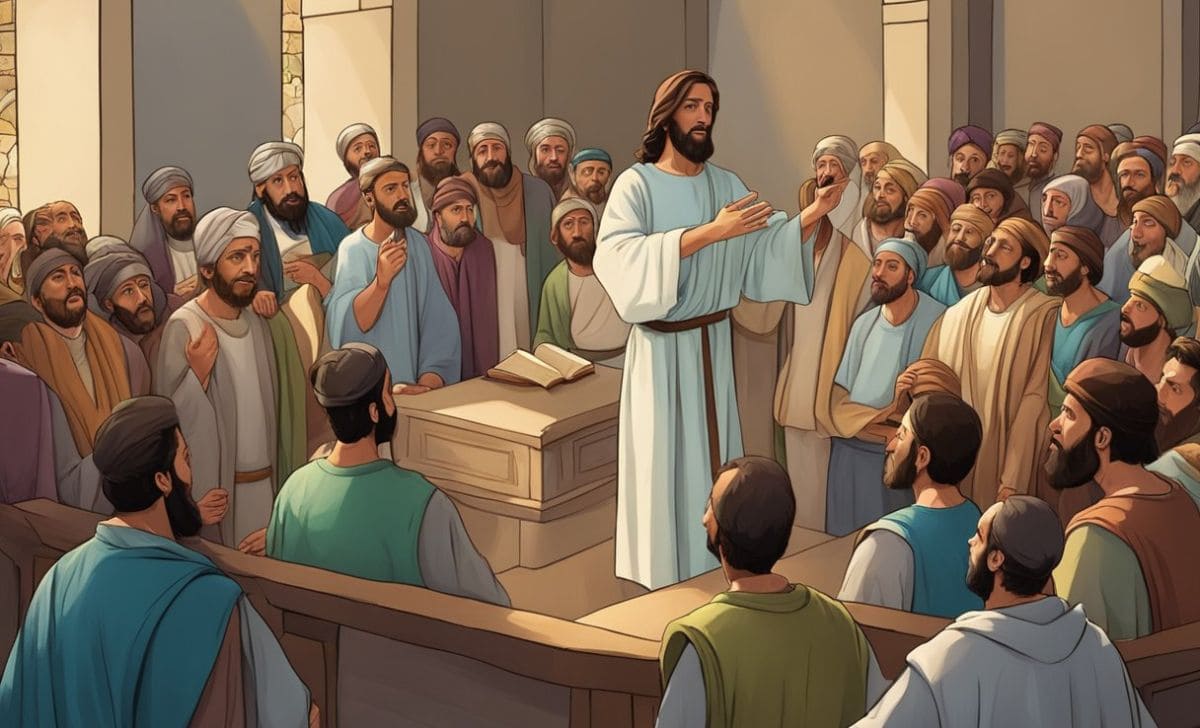
When Jesus returned to Nazareth, He went to the synagogue on the Sabbath, as was His custom. During the service, He was asked to read a passage from the Scriptures. He opened the scroll of Isaiah and read the following passage:
“The Spirit of the Lord is upon me, because he has anointed me to preach good news to the poor. He has sent me to proclaim freedom for the prisoners and recovery of sight for the blind, to set the oppressed free, and to proclaim the year of the Lord’s favor.” (Luke 4:18–19)
The Reading from Isaiah
Jesus then closed the book and declared that Isaiah’s prophecy had been fulfilled at that very moment. He was referring to Himself as the promised Messiah. This statement shocked those present in the synagogue, who had known Him since childhood. They wondered how He could be the Messiah, since He was just an ordinary carpenter.
Rejection at the Synagogue
Jesus knew that the people of Nazareth would not accept Him as the Messiah, so He said, “No doubt you will quote this proverb to me: ‘Physician, heal yourself!’ And you will add, ‘Do here in your hometown what we’ve heard you did in Capernaum’” (Luke 4:23). Jesus knew they wanted to see miracles, but He would not perform any in that town because they did not believe in Him.
Jesus’ rejection in Nazareth shows that God’s grace cannot be forced upon anyone. Although Jesus came to save all people, not everyone accepts Him. Isaiah’s prophecy was fulfilled in Jesus, but many did not recognize Him as the Messiah.
Temptation in the Desert
When you read Luke 4 in the New Testament, you come across the story of Jesus' temptation in the desert. This passage is rich in detail and teaches us a great deal about Jesus' human and divine nature.
The Forty-Day Fast
The passage begins with Jesus being led by the Holy Spirit into the wilderness after being baptized in the Jordan River. There, He spent forty days fasting and praying. This period of fasting and prayer was a time of preparation for the ministry that lay ahead.
The Devil's Three Temptations
At the end of the forty days, the Devil appeared to tempt Jesus. He tempted Jesus three times, offering him things that could satisfy his carnal and worldly desires. The first temptation was for Jesus to turn stones into bread. The second temptation was to offer Jesus all the kingdoms of the world in exchange for worship. The third temptation was for Jesus to throw himself from the top of the temple in Jerusalem and trust that the angels would save him.
In each of these temptations, Jesus responded with wisdom and resisted the Devil’s temptations. He quoted Scripture and remained faithful to his divine purpose.
This story teaches us that temptation is an inevitable part of life, but we can resist temptations if we remain faithful to God and trust in His wisdom and guidance.
Teachings and Miracles in Capernaum
Upon arriving in Capernaum, Jesus began to teach with great authority, as described in Luke 4:31–32. The people were amazed by his teaching, for he spoke as one who was anointed by God. He did not need to rely on human wisdom, for he spoke directly from divine wisdom.
The Authority of Jesus
Jesus’ authority was evident in his words and actions. He cast out an unclean spirit from a man in the synagogue at Capernaum, as described in Luke 4:33–37. The people were impressed by his authority over evil spirits. Jesus also healed many people in Capernaum, demonstrating the power of the Kingdom of God.
Healing of Illnesses
Jesus healed many people in Capernaum, including a woman with a fever, as described in Luke 4:38–39. He simply touched her hand, and the fever left her. Other sick and possessed people were brought to him, and he healed them all. People were amazed at his healing power and his ability to cast out demons.
In summary, Jesus’ teachings and miracles in Capernaum demonstrated his divine authority and the power of the Holy Spirit. He healed many diseases and cast out many evil spirits, showing that he was the Son of God. His message was simple and clear: the Kingdom of God was at hand, and everyone should repent and believe in the gospel.



The Mission of Jesus and How He Was Received
As he begins his public ministry, Jesus returns to Galilee and is welcomed with great anticipation and enthusiasm. He enters the synagogue in Nazareth, where he grew up, and is handed the book of the prophet Isaiah. Jesus reads the passage that speaks of being anointed by the Holy Spirit to preach good news to the poor, heal the brokenhearted, proclaim freedom to the captives, and restore sight to the blind (Luke 4:18–19).
The Message of Liberation
Jesus’ message is a message of liberation. He came to set the oppressed free and to heal the sick. Jesus is the divine healer who cures the illnesses of both body and soul. He is the fulfillment of Old Testament prophecies, such as that of Elijah, who healed Naaman the leper, and that of Elisha, who healed the Syrian general.
Opposition and Acceptance
However, Jesus’ message was not well received by everyone. Many opposed him and drove him out of the city. They were furious when Jesus reminded them that God had sent his prophets to heal the Gentiles and not just the Jews. They refused to accept that Jesus’ message was for everyone, regardless of race or social status.
But there were those who accepted Jesus’ message. Simon the fisherman and his mother-in-law were healed by Jesus. Demons were cast out, and many were freed from oppression. Jesus was sent to proclaim freedom to the captives and sight to the blind. He fulfilled his mission with great power and authority.
In short, Jesus’ mission is one of liberation and healing. He came to free the oppressed and heal the sick. His message was met with both opposition and acceptance. But in the end, Jesus fulfilled his mission with great power and authority.