

Genesis 1: The first chapter of Genesis is often considered the prologue to the Bible. This text is profoundly relevant. It continues to intrigue and inspire people all over the world.
Esta narrativa, meticulosamente estruturada ao longo de sete dias, descreve a criação do universo em sua plenitude.
It also addresses the formation of the Earth and the diversity of life forms that inhabit it.
Each stage is painted in vivid detail. This begins with the separation of darkness and light.
Em seguida, mostra o aparecimento das águas e da terra firme. Finalmente, culmina na criação do ser humano à imagem de God.
It's a story that transcends the boundaries of faith. He instigates deep reflections on the mysteries of existence and the purpose of life.

As we dive into these pages, we are invited to explore not only the spiritual and religious meaning.
We also examine the connections and interpretations in the scientific and philosophical spheres. This enriches our understanding of the world around us.
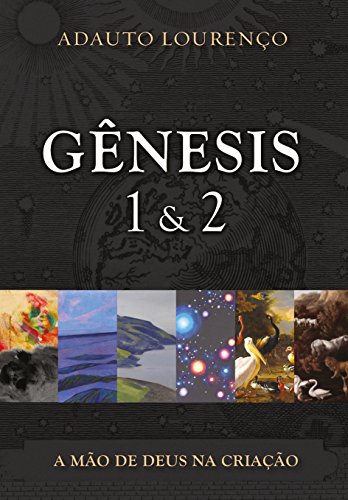
Você provavelmente já leu ou ouviu muitos teólogos ensinando sobre os dois primeiros capítulos do livro de Gênesis. E talvez você já tenha se perguntado: O que um cientista diria ao ler esses capítulos? O que ele diria sobre a criação da luz antes dos corpos celestes? Ou da criação da mulher de uma das costelas de Adão? Ou, ainda, sobre a criação dos dinossauros e outros animais do registro fóssil? Haveria alguma possível relação entre Gênesis 1 e 2 e a Ciência? Adauto Lourenço oferece respostas para essas e muitas outras perguntas que envolvem a difícil – mas viável – relação entre o texto bíblico e os fatos científicos.Sobre o autor:Adauto J. B. Lourenço é formado em física pela Bob Jones University (EUA) e possui mestrado em física – matéria condensada com especialização em física de superfície – pela Clemson University (EUA).
The Poem of Creation in Seven Days:
The first chapter of the Book of Genesis is a poetic masterpiece. It is meticulously structured. The chapter outlines each specific stage of creation.
The first day brings with it the separation between light and darkness, establishing the principle of fundamental duality.
On the second day, the heavens and the waters are divided. This separation delineates the boundaries between the celestial and aquatic realms.
On the third day, we witnessed the parting of the waters. We also observed the emergence of dry land. These events gave shape and substance to our world.
Then, on the fourth day, we see the appearance of the sun, moon and stars. These celestial bodies adorn the heavens. They provide light and guidance.
The fifth day marks the creation of aquatic beings. It also marks the creation of birds. These beings fill the oceans and skies with a myriad of life forms.
No sexto dia, Deus dá vida aos animais terrestres, povoando a terra com uma rica diversidade de criaturas.
And finally, as the culmination of this great process, God creates human beings in his own image.
He gives human beings responsibility and dignity. This responsibility includes caring for and ruling over all creation.
The seventh day, then, is consecrated as a day of divine rest. It celebrates the perfection and harmony of the newly created universe.
Different interpretations and meanings:
The first chapter of Genesis has been the subject of many interpretations throughout history.
It offers a wealth of perspectives on the creation of the universe. It also addresses life on Earth.
For some religious currents, the approach is literal. They conceive of the seven days as 24-hour periods. They see creation as a specific and direct event.
On the other hand, there are more symbolic interpretations. They see the days as metaphors poetic.
These metaphors represent cosmic and evolutionary processes that extend over vast periods of time.
The interaction between the creation narrative in the Bible and scientific theories, such as evolution, generates profound dialogues. Sometimes these dialogues result in complex debates.
This chapter serves as a meeting point between faith and reason. It invites us to explore the convergences between different ways of understanding the origin of life on our planet.
It also invites us to understand the differences that exist. It also guides us in analyzing the complexity of life.

Contemporary Relevance:
The opening chapter of Genesis transcends the centuries. It remains a deeply meaningful and provocative narrative, even in the age of science and technology.
The interaction between faith and science is complex. It continues to stimulate inquisitive minds. This leads many to seek points of convergence between the understanding of divine creation and contemporary scientific advances.
This ongoing dialog serves as a testimony to the ability of faith and reason to coexist.
It opens doors to a deeper exploration of human purpose and the nature of the universe.
We seek to better understand the meaning of creation. This incessant search keeps this chapter at the epicenter of philosophical and theological debates.
Genesis 1 offers a space for reflection and discovery. It becomes a meeting place for individuals of diverse beliefs and perspectives.
It is an invitation for everyone to explore the depths of the divine mystery. Find answers to the eternal questions about the origin and purpose of human life.

Conclusion: The Spectacle of Creation in Genesis 1
The first chapter of Genesis is more than a simple description of the origin of the world.
It is an invitation to reflect on the mysteries of existence. It also reflects on humanity's role in the grand scheme of creation.
Whether taking a literal or symbolic approach, this narrative offers a platform.
It allows us to explore fundamental questions about our origin. It also addresses our purpose and connection with the divine.
As we continue to unravel the complexities of the universe, the First chapter of Genesis remains a beacon. It illuminates our journey in search of understanding.
Continue with the sequence to chapter 2
Take a look at these items:
Divine Creation: Unraveling the Mysteries of Genesis 1
Rosary necklace with virgin mary religious catholic box:
cross rosary bracelet for women
gothic jesus christ cross 3d shirt
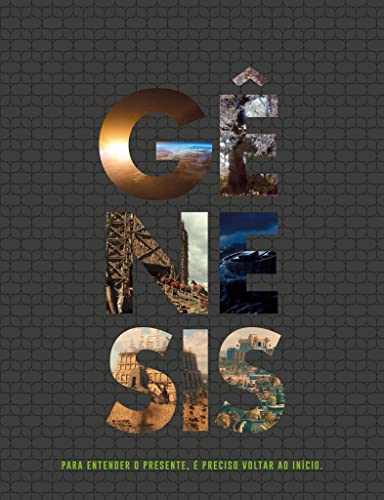
Trouxemos uma novidade fantástica: “Gênesis”. Uma coletânea de reflexões que foram postadas no perfil do Instagram da novela. Com fotos cenográficas e dos personagens e ilustrações com as frases faladas por Deus no desenrolar da história, o livro traz muitas reflexões para o nosso dia a dia com base no comportamento e nas atitudes dos personagens. Você vai entender melhor as razões para tantos problemas que a maioria das pessoas enfrenta hoje em dia. Se você quer conhecer e entender como tudo começou, não perca tempo e adquira já o seu exemplar.
Key Takeaways do Artigo:
- O capítulo de Gênesis 1 apresenta uma narrativa poética e estruturada da criação do universo em sete dias.
- Existem diversas interpretações sobre Gênesis 1, variando de leituras literais a simbólicas, fomentando o diálogo entre fé e ciência.
- Apesar dos avanços modernos, Gênesis 1 mantém uma profunda relevância contemporânea, estimulando reflexões sobre a origem e o propósito da vida humana.
| Dia da Criação (Gênesis 1) | Main Events | Significado Teológico/Simbolismo |
|---|---|---|
| Primeiro Dia | Criação da luz e separação entre luz e trevas. | Estabelecimento da ordem e distinção primordial; superação do caos inicial. |
| Segundo Dia | Criação do firmamento e separação das águas acima e abaixo. | Formação do espaço celestial e divisão dos domínios cósmicos. |
| Terceiro Dia | Separação das águas e surgimento da terra seca; criação da vegetação. | Estruturação do ambiente terrestre e início da vida botânica. |
| Quarto Dia | Criação do sol, lua e estrelas para governar o dia e a noite. | Definição de marcadores de tempo e iluminação dos céus. |
| Quinto Dia | Criação dos seres aquáticos e das aves. | Povoamento dos oceanos e dos céus com vida. |
| Sexto Dia | Criação dos animais terrestres e do ser humano à imagem divina. | Completa o povoamento da terra e confere dignidade e responsabilidade à humanidade. |
| Sétimo Dia | Dia de descanso e santificação. | Consagração da obra completa da criação; modelo para o descanso e renovação. |
Perguntas Frequentes sobre Gênesis 1
Gênesis 1 é o primeiro capítulo do Livro de Gênesis, que serve como o prólogo da Bíblia. Ele narra a história da criação do universo, da Terra e de todas as formas de vida, incluindo o ser humano, por Deus, em sete dias.
De acordo com Gênesis 1, a criação foi estruturada ao longo de sete dias. Cada dia descreve um estágio distinto, culminando no descanso divino no sétimo dia.
As interpretações de Gênesis 1 variam. Algumas correntes religiosas o leem de forma literal, considerando os sete dias como períodos de 24 horas. Outras veem os “dias” como metáforas poéticas que representam vastos períodos de tempo ou processos cósmicos, convidando a uma compreensão simbólica da narrativa.
A relação entre Gênesis 1 e a ciência é um tópico de contínuo debate e reflexão. Enquanto a ciência busca explicar o “como” da criação através de teorias como a do Big Bang e a evolução, Gênesis 1 aborda o “quem” e o “porquê” da existência. Muitos teólogos e cientistas buscam pontos de convergência, vendo as duas abordagens como complementares na compreensão da complexidade da vida e do universo.
Gênesis 1 mantém uma profunda relevância ao longo do tempo. Ele instiga reflexões sobre a origem da vida, o propósito humano e a conexão com o divino. A narrativa inspira a responsabilidade de cuidar da criação e promove um diálogo contínuo sobre fé, razão e o mistério da existência.


