
Discover the meaning of Symbols and Metaphors in the Bible: If you have already read the Bible, You've probably come across symbols and metaphors that may have left you confused or curious about their meaning.
The truth is that these literary resources are widely used in the sacred scriptures to convey profound teachings and concepts.
In the next section, we'll explore the world of symbols and metaphors in the Bible, by understanding their meaning and how to interpret them correctly to enrich your spiritual reading.
Main points covered in this section:
- Understand the meaning of biblical symbols;
- How to correctly interpret the symbols in the Bible;
- The importance of metaphors in understanding biblical messages;
- Carry out an in-depth study of biblical symbolism;
- Understanding how to interpret symbols correctly can help us gain a deeper understanding of the divine messages contained in the scriptures.
The Use of Symbols in the Bible
A Bible is a book full of symbolism, which was used by the sacred authors to convey deeper and more complex meanings.
These symbols are a form of divine language that is accessible to all who wish to understand the divine teachings present in the sacred scriptures.
A sacred symbolism in the Bible is vast, and can be found at various times and books sacred.
For example, the snake is widely used as a symbol of wisdom and knowledge. The rainbow is a symbol of hope and divine promise. Water is often used to symbolize purification and renewal.
A symbolic analysis of the Bible is an important approach to understanding these symbols. By carrying out this analysis, it is possible to gain a deeper understanding of the meanings of the symbols present in the sacred scriptures.
This can lead to a deeper understanding of the divine teachings in the Bible.
“The symbols in the Bible are like windows that allow us to look beyond the words into the mysteries of the divine.”
Symbolic analysis can be carried out in various ways. One is through exegesis, which consists of interpreting texts literally and historically.
Another way is through hermeneutics, which is the study of the interpretation of sacred texts.
Both approaches are important for a complete and comprehensive analysis of the symbols present in the Bible.

There are many others examples of biblical symbols that can be explored. If you want to deepen your knowledge of these symbols and their importance in understanding the sacred scriptures, it is important to continue studying and researching the subject.
The Meaning of Metaphors in the Bible
The metaphors in the Bible are a common form of expression for conveying complex ideas in a clearer and more accessible way.
When you read the Holy Scriptures, you'll come across various metaphors that may seem confusing at first glance, but have a profound meaning if you analyze them correctly.
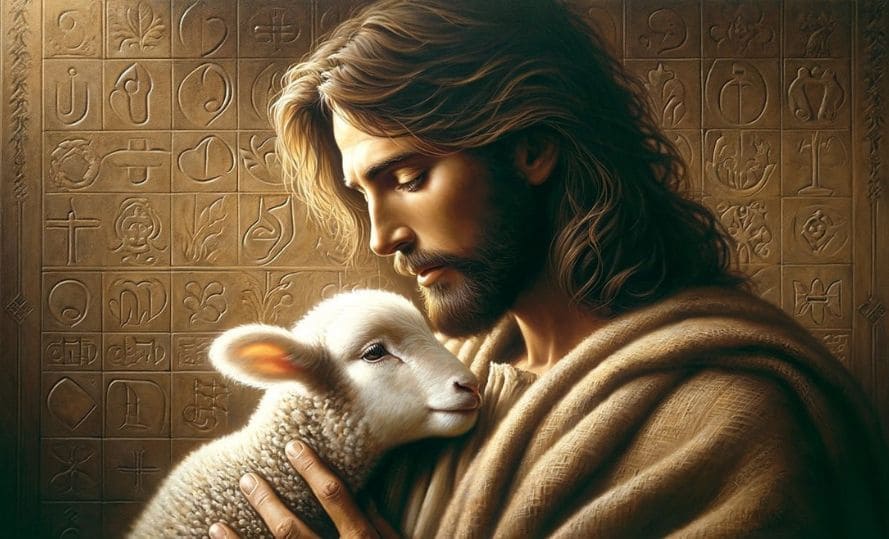
For example, one of the most well-known metaphors in the Bible is the comparison of God with a shepherd and his people with his sheep.
This metaphor is used to convey God's care and protection for his followers, just as a shepherd looks after his sheep.
Another example of a metaphor in the Bible is the comparison of the Kingdom of Heaven with a treasure hidden in a field, or a pearl of great value.
This metaphor is used to represent the importance of the Kingdom of Heaven in relation to the material things of life, and how valuable it is to invest in God and His will.
It's important to note that, just like the symbols, the metaphors in the Bible must be interpreted correctly in order to understand the message being conveyed.
It is therefore essential that the reader has a thorough knowledge of the historical and cultural contexts in which the scriptures were written.

To understand the use of metaphors in the Bible, You need to pay attention to the context and the words being used.
The in-depth study of metaphors is a way of gaining a deeper understanding of the divine messages contained in the sacred scriptures.
In addition, metaphors can be used to emphasize certain aspects of the message the author wishes to convey.
They offer a language rich in meaning that helps the reader to assimilate complex concepts.

Examples of Metaphors in the Bible
| Metaphor | Meaning | Biblical reference |
|---|---|---|
| Sheep and Shepherd | God cares for his people as a shepherd cares for his sheep | Psalm 23:1-6 |
| Hidden Treasure | The Kingdom of Heaven is more valuable than any material treasure | Matthew 13:44-46 |
| Salt of the Earth | Followers of Jesus should be a positive example to others | Matthew 5:13 |
These examples show how metaphors in the Bible are used to convey deep meanings in a clear and concise way.
By studying the metaphors present in the scriptures, you can gain a deeper understanding of the divine messages and enrich your sacred reading experience.
Symbolic Study in the Bible
O symbolic study in the Bible is fundamental to understanding the divine messages present in the sacred scriptures.
An in-depth study of biblical symbolism can help us to correctly interpret the symbols and metaphors present in the Bible, as well as enriching our understanding of the passages.
There are various techniques and approaches that can be used in the symbolic study of the Bible. Some of them include:
- Analysis of Hebrew and Greek words to understand the original meaning of the terms used in the passages;
- Study of the cultural and historical traditions of the peoples who lived at the time the Bible was written;
- Investigation of how symbols and metaphors are used in other parts of the Bible, in order to understand their deeper meaning;
- Use of biblical commentaries and works by scholars on the subject to deepen understanding of symbols and metaphors.
Furthermore, it is important to remember that symbolic interpretation in the Bible is not an exact science.
There are many passages that can be interpreted in different ways by scholars and readers of the Holy Scriptures.
The important thing is to find an interpretation that is in keeping with the context of the passage and that makes sense to you.
Example of a Symbolic Analysis Table
| Symbol | Meaning | Bible passage |
|---|---|---|
| Gold | Purity, value, wealth | “Fine gold is a pleasant tongue” (Proverbs 16:24) |
| Lamb | Innocence, sacrifice | “Behold the Lamb of God, who takes away the sin of the world” (John 1:29) |
| Snake | Temptation, deception | “The snake was the most cunning of all the creatures of the field” (Genesis 3:1) |
This table is just one example of how we can use symbolic analysis to understand the meaning behind the symbols in the Bible.
By carrying out an in-depth symbolic study, we can discover even richer and deeper meanings in the sacred scriptures.




The Deep Meaning of Biblical Symbols
The symbols in the Bible are rich in meaning and can convey profound concepts that are not easily expressed in words.
The interpretation of these symbols is fundamental to understanding the divine messages contained in the sacred scriptures.
For example, the cross is one of the most powerful symbols of Christianity, representing the death and resurrection of Jesus Christ and the salvation of humanity.
The serpent, on the other hand, is an ambiguous symbol that can represent both evil and wisdom, depending on the context in which it is used.
For a more in-depth analysis of the symbols in the Bible, it is important to take into account the historical and cultural context in which the scripture was produced.
In addition, it is essential to consider the specific context in which the symbol is used in each biblical passage.
An example of this can be seen in the story of Joseph, in the book of Genesis. The interpretation of Pharaoh's dreams through symbols is an example of how understanding symbols is fundamental to the correct interpretation of sacred scriptures.

Furthermore, it is important to remember that symbols in the Bible can have different layers of meaning.
An example of this is the symbolism of the lamb, which can represent both innocence and sacrifice.
In short, the analysis and interpretation of symbols in the Bible are fundamental to understanding the divine messages contained in the sacred scriptures.
By understanding the deeper meaning of these symbols, you can enrich your sacred reading and achieve a fuller understanding of the spiritual teachings conveyed by the Bible.

The Importance of Interpreting Symbols in the Bible
The correct interpretation of the symbols in the Bible is fundamental to understanding the divine messages present in the sacred scriptures.
It is important to remember that the Bible should not be interpreted literally, but rather as a set of symbols and metaphors that contain profound spiritual teachings.
Understanding the meaning of biblical symbols is a challenging task, but there are different methods that can help with symbolic interpretation.
One approach is the “analogy of faith”, which consists of interpreting biblical symbols from the general context of the Scriptures.
In other words, the symbols must be interpreted in accordance with the Bible as a whole.
Another approach is cultural-historical interpretation, which consists of understanding symbols from the cultural and historical context in which they were written.
For example, understanding the context in which the apostle Paul wrote his letters can help you better understand the symbols he used.
The Importance of Using Imagination to Interpret Symbols in the Bible
In order to correctly interpret the symbols in the Bible, it is essential to use your imagination. This means that you should try to visualize the symbols and metaphors described in the Bible as if they were images or scenes in your mind.
It is also important to remember that interpretation of symbols in the bible is not something static or definitive.
It is constantly evolving and can be improved with time and study. That's why it's essential to keep an open mind and always be willing to learn and delve deeper into the study of biblical symbols.

“He who has an ear, let him hear what the Spirit says to the churches” - Revelation 2:7
As we can see from this biblical passage, the interpretation of symbols requires attentive listening to what the Spirit has to say to us.
That's why it's important to cultivate a spiritual connection with God, so that He can guide us in the correct interpretation of biblical symbols.
We therefore conclude that the correct interpretation of the symbols in the Bible is essential if we are to understand the divine messages present in the sacred scriptures. Using our imagination and being open to learning are fundamental to this process.
And above all, we must be in tune with the Holy Spirit, so that he can guide us in understanding the symbolic passages of the Bible.
Discover the Meaning of Symbols and Metaphors in the Bible: Conclusion
Throughout this article, you have been able to discover the fascinating world of symbols and metaphors in the Bible.
He understood the importance of sacred symbolism in understanding the divine messages contained in the scriptures.
We examine some examples of biblical symbols and how they are used to convey deeper meanings, as well as understanding the importance of metaphors in sacred reading.
We also learned about the importance of symbolic study in the Bible, The aim is to interpret and understand the messages hidden in the symbols and metaphors present in the sacred scriptures.
Finally, we discussed the importance of correctly interpreting the symbols in the Bible in order to gain a deeper understanding of the divine messages contained in the scriptures.
We hope that through this article you have understood the profound meaning of the biblical symbols and how to interpret them correctly to enrich your sacred reading.
Continuing to study and explore this symbolism is fundamental to deepening our understanding of the biblical scriptures.
FAQ
What are symbols in the Bible?
Symbols in the Bible are elements that represent concepts or ideas in a figurative way, conveying a deeper meaning beyond their literal meaning.
How to interpret biblical symbols?
The interpretation of biblical symbols requires a careful study of the scriptures and the context in which they are used. It is important to consider the repeated use of a symbol, its cultural and historical associations, and to seek spiritual guidance to understand its meaning.
What are some examples of symbols in the Bible?
Some examples of symbols in the Bible include the dove, which symbolizes the Holy Spirit; the serpent, which represents sin and temptation; and the light, which represents the divine presence and spiritual truth.
Why are metaphors important in the Bible?
Metaphors in the Bible are important because they help to convey complex concepts in a more accessible and meaningful way. They enrich the sacred reading, awakening our imagination and encouraging a deeper understanding of divine messages.
How to carry out a symbolic study of the Bible?
To carry out a symbolic study in the Bible, It is recommended to read the passages in their context, research the cultural and historical significance of the symbols used and look for study resources that deal with biblical symbolism. Prayer and spiritual guidance are also important in this process.
How important is the correct interpretation of symbols in the Bible?
The correct interpretation of the symbols in the Bible is fundamental to gaining a deeper understanding of the divine messages contained in the scriptures. By properly understanding the symbols, we can gain spiritual insights and apply these teachings in our daily lives.