Baixada Fluminense: Cradle of Afro-Brazilian Religions in Rio de Janeiro
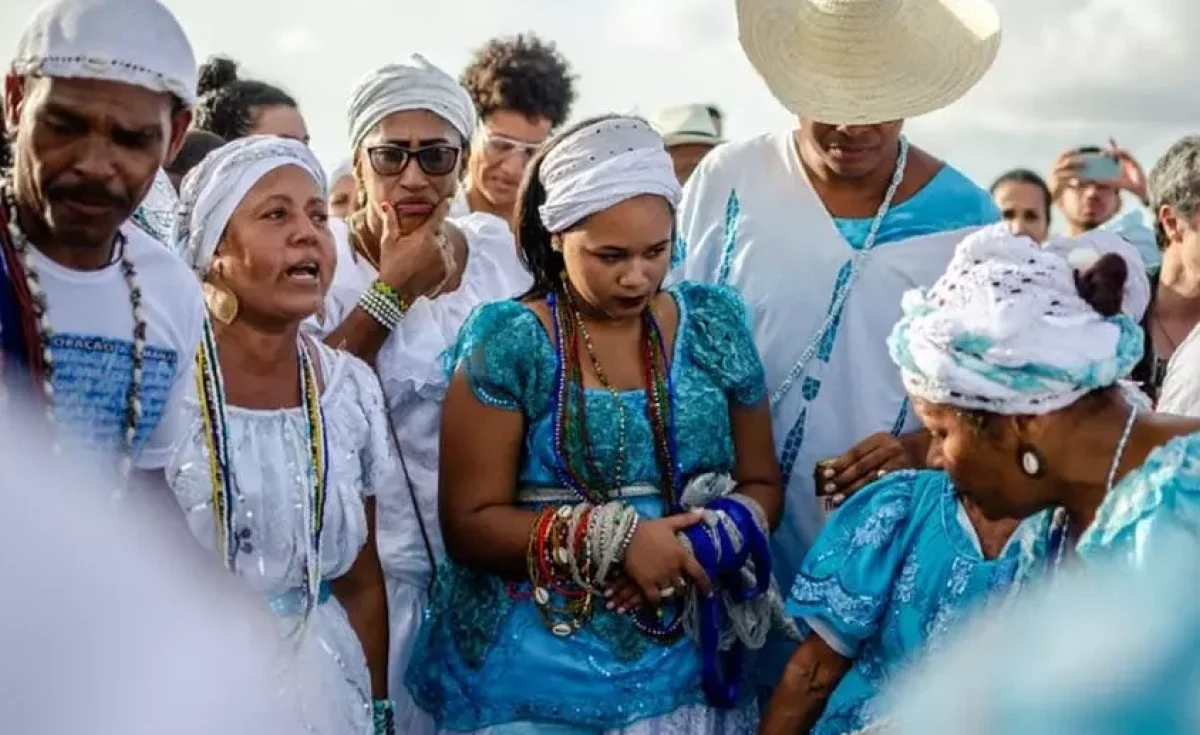
Rio de Janeiro, May 26, 2024 - Terreiros Escondidos: The Afro Ancestral Journey in the Baixada Fluminense! The Baixada Fluminense is consolidating itself as an important Afro-Brazilian cultural center in Rio de Janeiro.
A região, que já concentrava a maior parte dos terreiros há uma década, segundo o livro “Presença do axé: mapeando terreiros no Rio de Janeiro”, de Sonia Maria Giacomini e Denise Pini Rosalem da Fonseca, se destaca por abrigar casas de santo frequentadas por anônimos e famosos, como o terreiro do pai de santo Sérgio Pina, visitado pela cantora Anitta em seu clipe “Aceita”.
Historical concentration and cultural resistance
The migration of terreiros from the center of Rio to the Baixada Fluminense began at the beginning of the 20th century, with Bota-Abaixo, an urban reform project that included the destruction of tenements and the construction of avenues. This process of forced displacement, marked by structural racism, as explained by Mãe Stella de Oxóssi, president of Opô Afonjá civil society, contributed to the concentration of houses of worship in the region.
Barn of faith and tradition
A Baixada Fluminense abriga diversos terreiros históricos e renomados, como o Ilê Opô Afonjá, em São João de Meriti, tombado pelo Instituto Estadual do Patrimônio Cultural (Inepac), e o Ilê Axé Obaluaye Jagun, em Duque de Caxias, frequentado por celebridades como Alcione, Preta Gil e Grazi Massafera.



Festivities and cultural visibility
O Ilê Axé Obaluaye Jagun, inclusive, celebra hoje a festa de Exu Barabô, uma das mais tradicionais da região, fundada em 1981 e que se tornou um grande sucesso ao longo dos anos. Pai Celio de Omolu, babalorixá do terreiro, destaca a importância da preservação da cultura afro-brasileira e ressalta que a presença de artistas famosos ajuda a combater o preconceito contra as religiões de matriz africana.
Recognition and social impact
A visibilidade proporcionada por artistas como Anitta contribui para a valorização da cultura afro-brasileira e para o combate à intolerância religiosa. A Baixada Fluminense, com sua rica tradição e pluralidade religiosa, se afirma como um polo cultural de grande importância para o Rio de Janeiro e para o Brasil.
Experts comment on the importance of the region:
- Post-doctorate Babalawô Ivanir dos Santos, professor in the graduate program in Comparative History at UFRJ: "The Baixada Fluminense concentrates a large number of umbanda, candomblé, encantaria and other denominations. This concentration is due to various factors, such as Bota-Abaixo at the beginning of the 20th century, which forced the migration of many houses of saint from the center of Rio to the outskirts."
- Mãe Stella de Oxóssi, president of the Opô Afonjá civil society: "One of the reasons why axé moved away from Pedra do Sal was structural racism. The Baixada Fluminense became a refuge for Afro-Brazilian religions, which were persecuted and marginalized in the center of Rio."
- Pai Celio de Omolu, babalorixá of Ilê Axé Obaluaye Jagun: "The Baixada Fluminense is a hotbed of Afro-Brazilian culture. Here we find historic terreiros, like Opô Afonjá, and also houses that have become cultural references, like Ilê Axé Obaluaye Jagun. The presence of famous artists in our terreiros helps to combat prejudice and value our culture."
The Baixada Fluminense as an example of resistance and cultural preservation:
The Baixada Fluminense region stands out as an example of resistance and preservation of Afro-Brazilian culture. Despite the difficulties and challenges faced over the years, the Afro-Brazilian people of the region have stood firm in defense of their culture and their rights. The concentration of terreiros in the region is a symbol of the strength and vitality of Afro-Brazilian culture in the Baixada Fluminense.