The Ethiopian Bible: What Is in the Oldest Holy Book? – You probably have a Bible at home. If you're Protestant, it has 66 books. If she is Catholic, 73.
But what if I told you that there’s a version with 81 books, considered by many historians to be the oldest and most complete in the world? We’re talking about the Ethiopian Bible.
This version is not just a different book; it is the heart of the Ethiopian Orthodox Tewahedo Church, one of the oldest forms of Christianity in existence, established long before many European churches.
While the West debated which texts would be included in the canon, the Ethiopians were already preserving writings that the rest of the world had decided to set aside.
Today, we’re going to open the pages of this historical relic. We’ll see why it’s so much more extensive, what the “apocryphal” books (such as the famous Book of Enoch) have to say, and why this tradition remained isolated for so long.
What makes the Ethiopian Bible unique?
The first thing that catches your eye is the size. The structure of the Ethiopian Bible differs drastically from what we are used to in Brazil. The Tewahedo Church divides its Bible into two canons: the Narrow Canon and Cânon Largo.
The Narrow Canon contains 81 books, but the count varies depending on how the Old Testament texts are grouped. What really matters here is that they never rejected books that other religious councils considered “apocryphal” (books of dubious authorship or with content that was controversial for the time).
Another fascinating aspect is the language. These texts were written in Ge'ez, an ancient Semitic language of Ethiopia that is used today only in liturgical contexts, similar to the Catholic Church's use of Latin in the past.
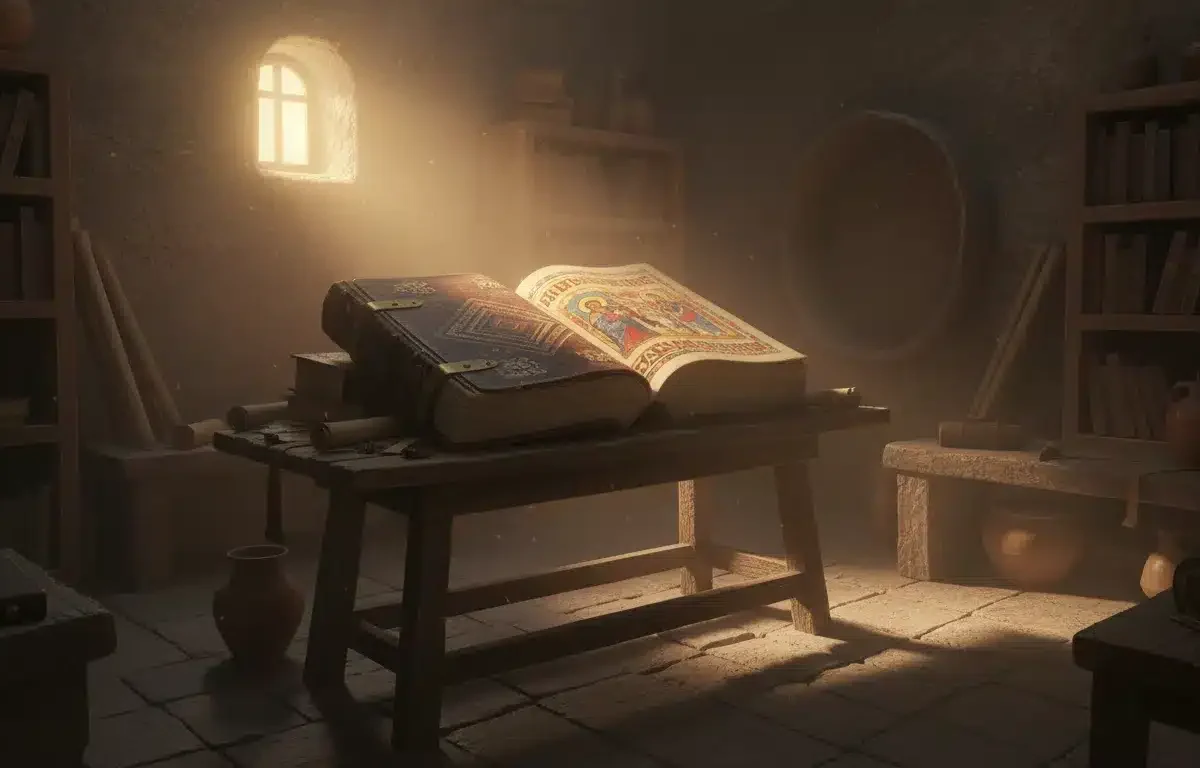
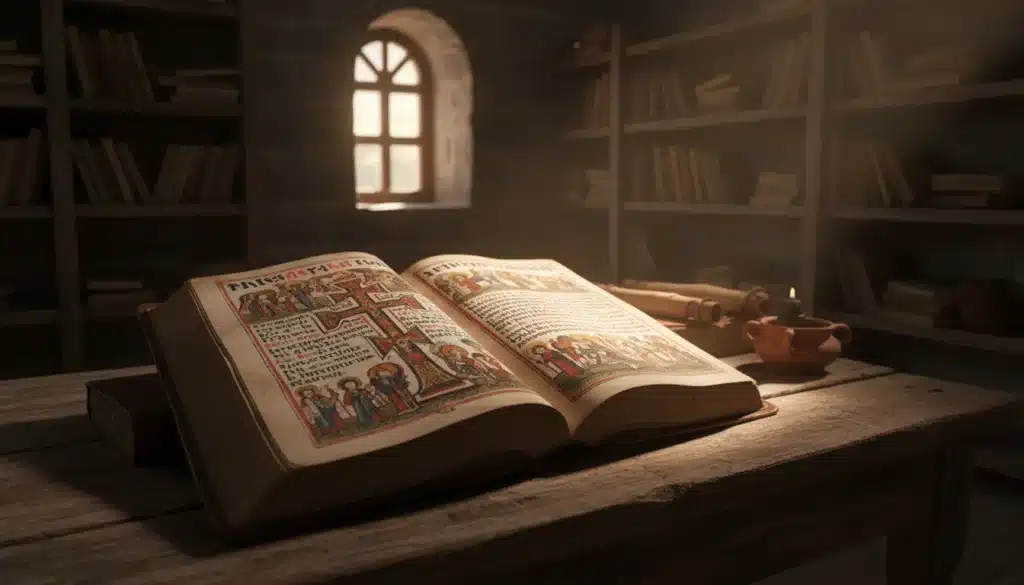
The preservation of these manuscripts is an incredible achievement. The The Garima Gospels, for example, are two books preserved in an Ethiopian monastery that date from sometime between 330 and 650 A.D.
For history buffs, this article from The Gospels of Garima, which shows how these texts have stood the test of time.
The “Extra” Books: What Was Left Out in the West?
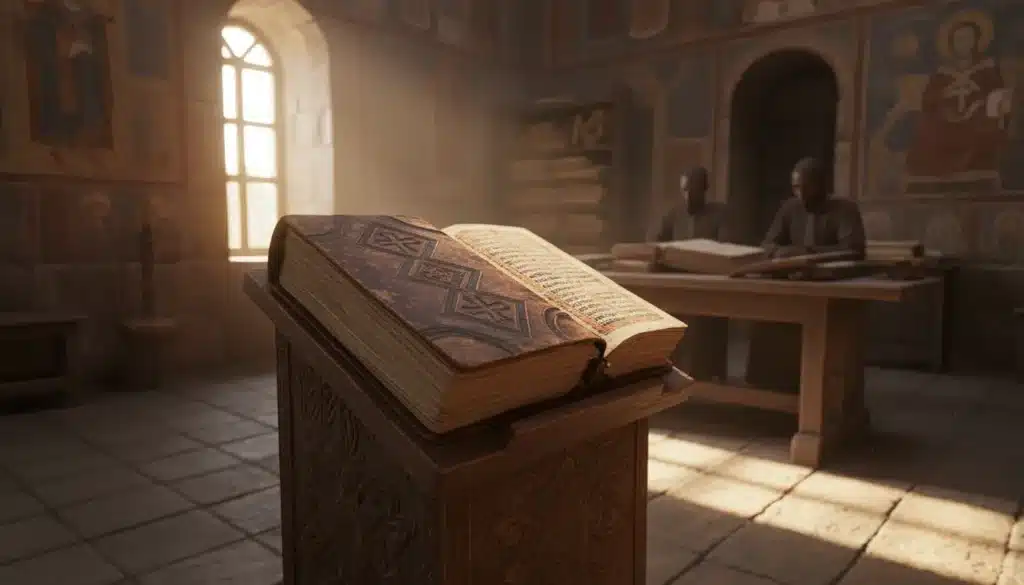
The main point of curiosity revolves around the books that aren't included in conventional Bibles. Why are they there? What do they say?
1. The Book of Enoch (1 Enoch)
This is the most famous one. While most churches reject it, the Ethiopian Bible treats it as sacred. The text expands on the story of Genesis about the “fallen angels” (the Watchers) who came down to Earth and had children with women human beings (giving rise to the Giants or Nephilim) and taught humanity forbidden technologies, such as metallurgy for weapons and sorcery.
It is a dense, mystical text that completely changes our view of the origin of evil before the Flood.
2. The Book of Jubilees
Known as “The Little Genesis,” this book recounts the history of the world from creation to Moses, but divides it all into time periods called “Jubilees” (49-year cycles). It provides details that Genesis omits, such as the names of Cain’s and Seth’s wives.
3. The Ethiopian Book of Maccabees
Unlike the Maccabees we find in the Catholic Bible, the Ethiopian version (Meqabyan) tells a different story, focusing on a king of Media and Moab who persecutes devout Jews. It is not about the Maccabees’ revolt against the Seleucid Greeks, but rather a theological narrative specific to that region.
Comparison Chart: The Ethiopian Bible vs. Western Bibles
To better illustrate the huge difference between these versions, I've put together this quick table:
| Features | Protestant Bible | Catholic Bible | Ethiopian Orthodox Bible |
|---|---|---|---|
| Total Number of Books | 66 | 73 | 81 (Narrow Canon) |
| Old Testament | 39 | 46 | 46 or more (depending on the count) |
| New Testament | 27 | 27 | 35 (Includes ecclesiastical registers) |
| Book of Enoch | Not Included | Not Included | Canonical and Sacred |
| Original Language | Hebrew/Greek/Aramaic | Hebrew/Greek/Aramaic | Ge'ez |
| Acceptance | Global (West) | Global (West) | Ethiopia and Eritrea |


Pros and Cons of Studying the Ethiopian Bible
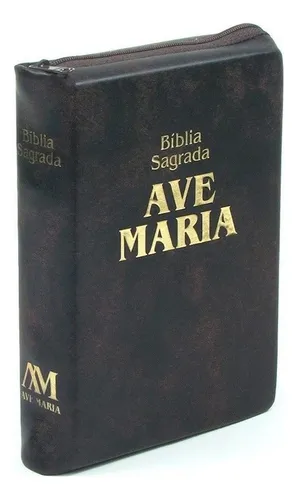
If you're thinking about reading this version, it's a good idea to consider a few things. It's not an easy read for those who are used to the Almeida Revista e Corrigida edition.
Pros (Strengths)
- Rich Historical Context: You understand what the early Christians and Jews of the Second Temple period read and discussed.
- Filling in the Gaps: Stories like that of the fallen angels explain narrative gaps in Genesis that have always left readers confused.
- A Different Spiritual Perspective: It offers a perspective on Christianity that has not been filtered through the Roman Empire or the Protestant Reformation.
Cons (Challenges)
- Difficult Access: Finding a good direct translation from Ge'ez to Portuguese is a difficult task. Many versions are translations of translations (Ge'ez → English → Portuguese), which can result in the original meaning being lost.
- Complexity: The apocryphal books, especially those of ecclesiastical orders in the New Testament (such as the Synods and Qalëmentos), are very technical and focused on the rules of the early church.
- Doctrinal Clash: For those whose faith is deeply rooted in traditional dogma, reading about angels teaching how to apply makeup (as in *Enoch*) may sound strange or heretical.
The Connection to the Ark of the Covenant
You can't talk about the Ethiopian Bible without mentioning the Ark of the Covenant. The Tewahedo Church tradition categorically states that the original Ark, built by Moses, was not lost. It is said to be kept in the Church of St. Mary of Zion in the city of Axum, Ethiopia.
According to the national legend, described in the book Kebra Nagast (The Glory of Kings), the Queen of Sheba visited King Solomon in Jerusalem and had a son with him, Menelik I. Years later, Menelik is said to have taken the Ark to Ethiopia, where it remains protected by a single guardian monk who is never allowed to leave the site.
To learn more about the architecture and history of this fascinating church, the Wikipedia has a detailed article which serves as a great technical starting point.
Reading Tips for Beginners
Want to get started? My advice is not to try to read the entire Ethiopian Bible all at once. Focus on the Book of Enoch First. It is the most accessible and has the greatest impact on contemporary pop culture and theology. Next, take a look at Jubilees to see an alternative version of the story of Moses.
Remember: reading these texts doesn't require you to change your religion. Think of it as an archaeologist uncovering deeper layers of a millennia-old history.
Frequently Asked Questions
Theological validity depends on the denomination. For the Ethiopian Church, it is the absolute Word of God. For Catholics and Protestants, the additional books are considered apocryphal or pseudepigraphical—useful for historical study, but not as a basis for doctrines of faith.
It is very difficult to find the complete version (all 81 books) faithfully translated into Portuguese in a single volume. Generally, you will find the “Book of Enoch” sold separately or in compilations of apocryphal writings. Be wary of low-quality translations sold online.
Indirectly, yes. The New Testament contains references to the Book of Enoch. The Epistle of Jude (verses 14–15), for example, quotes a prophecy of Enoch almost word for word. This suggests that the apostles were familiar with and respected these texts.
The Ethiopian Church remained geographically and politically isolated from the great councils of Rome and Constantinople for centuries. While the rest of Christendom “pruned” the Bible to combat heresies, the Ethiopians retained the ancient collection they had received, preserving it all with great zeal.
O Kebra Nagast It is not part of the Bible (canon), but it is Ethiopia's national sacred text. It tells the story of the lineage of the Ethiopian kings, linking them to Solomon and the Queen of Sheba, and explains how the Ark of the Covenant came to be in Africa.
If you enjoyed learning about these historical facts and would like to deepen your faith with quotes and reflections, visit our homepage for more daily inspiration. For more exclusive content, visit our official website.