- The verses now appear as paraphrases on the website, along with their respective references.
- New text on the context, authorship, and date of Psalm 1.
- A reexamination of the six verses, taking into account the poem's agricultural setting.
- Frequently asked questions and sources included, and links reviewed.
- Revised caption and image description.
- Topic: the contrast between two ways of life
- Main text: Psalm 1:1–6
- Genre: wisdom poetry
- Author: The text does not indicate an author.
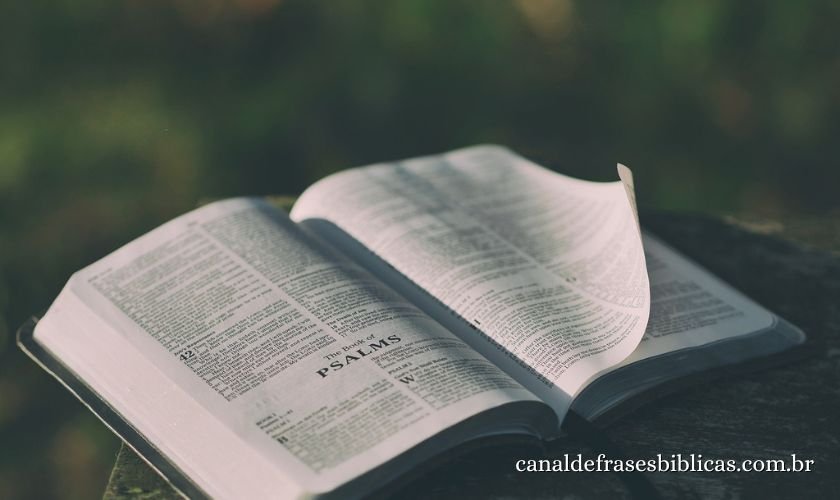
- Location in the book: Open the Book of Psalms
O Psalm 1 The Book of Psalms opens with a contrast between two ways of life: that of those who find joy in God’s teaching and that of those who turn away from Him.
There are six verses of wisdom poetry—that is, poetry focused on teaching how to live well. This article explains the context, the authorship, each verse, and what the text asks of readers today.
Anyone who reads the Bible I often return to this psalm because it serves as a gateway to the other 149. The Bible passages are paraphrased here from the website, with the reference listed alongside so you can check them in your own Bible.
Psalm 1 is a wisdom poem. When it speaks of ‘prospering,’ it describes a stable and fruitful life; it does not guarantee money, health, or success. This content is informational and devotional and is not a substitute for pastoral, medical, psychological, or legal advice.
Historical Context of Psalm 1
The Book of Psalms contains 150 poems and songs from different periods, organized into five collections. Psalm 1 appears right at the beginning and is often read as an introduction to everything that follows.
The poem makes no mention of a king, a city, or a historical event. Its setting is rural life: a tree near irrigation canals and the straw that the wind carries away from the threshing floor, the place where grain was separated from the chaff.
Some interpretations of the Psalter treat the first two psalms as a single unit: one speaks of God’s instruction, the other of the king whom God establishes. Learn more at Psalm 2 and Divine Power.
Author and Date of Psalm 1
Psalm 1 does not mention the name of an author. Several psalms have a title attributing them to David, Asaph, or the sons of Korah; this one does not. Linking it to David is an inference, not something indicated by the text.
The date is also a matter of debate. There is nothing in the poem that allows us to pinpoint it. Some date it to before the Babylonian exile, while others view it as a later work, intended as the opening of the book.
In practice, the psalm reads well even without a specific historical context.
Verse-by-verse analysis
Psalm 1:1 — Who Is Blessed?
Paraphrase from the website: Happy is the one who does not follow the advice of those who ignore God, does not imitate the ways of those who go astray, and does not join the ranks of the mockers.
The three verbs range from movement to stillness: to walk, to stop, to sit. One possible interpretation is that influence grows when it ceases to be merely a passing phase and becomes a place of residence.
Psalm 1:2 — Joy in Teaching
Paraphrase from the website: Instead, that person finds joy in the Lord’s teaching and repeats it quietly, day and night.
The word translated as ‘law’ is Torah, which means instruction and encompasses more than just rules. The point of the verse is habit: repeated reading, not a one-time act.
Psalm 1:3 — the tree by the water
Paraphrase from the website: That person is like a tree planted by streams of water: it bears fruit in season, its leaves never wither, and whatever they do prospers.
In dry land, a tree near a canal withstands the drought because its roots have a constant source of water. The image speaks of stability and fruit at the right time, not of guaranteed gain.
Psalm 1:4 — the straw and the wind
Paraphrase from the website: It's different with the wicked: they are like straw carried away by the wind.
On the threshing floor, the grain was tossed into the air: the heavy grain fell, and the light chaff flew away. The contrast is between those who have roots and substance and those who have no foothold.
Psalm 1:5 — Judgment
Paraphrase from the website: Therefore, the wicked will not stand in the judgment, nor will sinners in the assembly of the righteous.
The verse speaks of judgment and an assembly without specifying when or how. Jewish and Christian traditions develop this theme in different ways, and it is up to the source of each tradition to explain it.
Psalm 1:6 — The End of the Two Paths
Paraphrase from the website: The Lord knows the way of the righteous, but the way of the wicked leads to ruin.
In biblical language, ‘to know’ usually implies a relationship and care, not just information. The psalm ends as it began, with two paths side by side.


Main Themes
- Two paths: The psalm presents a choice between two ways of life, a theme that wisdom literature takes up again in other books.
- Meditation on God's Teaching: Constant reading is what sustains the image of the tree.
- Root and weight: The righteous have a firm footing, but the wicked are swept away by any wind.
Practical Applications
- Note the influences: Line 1 shows how a passing encounter turns into a lasting relationship.
- Develop a reading habit: A short passage each day is more in keeping with verse 2 than a long, infrequent reading.
- Read ‘prosper’ carefully: The poem describes stability, not a guaranteed outcome.
- Read it in context: The verse makes sense within the context of the book and the genre to which it belongs.
The image of the tree suggests that the fruit comes from something unseen: the roots and the water. It’s worth asking where your daily routine draws what sustains it. This is an invitation to reflection from the website, not a promise of results.
Conclusion: Psalm 1 Meaning and Importance
Psalm 1 summarizes in six verses what the Book of Psalms has to offer: a choice between two paths, an image of stability, and an invitation to read it regularly. Its importance also stems from its position at the beginning of the book.
If you'd like to continue, see Other psalms to read next. What aspects of your daily life would you keep—or change—after reading this?
See also: Psalm 23 Explained: The Lord Is My Shepherd
Frequently Asked Questions
Who wrote Psalm 1?
The text does not indicate an author. The connection to David is an inference, and the authorship remains a matter of debate.
What does the tree symbolize in Psalm 1?
It represents those who have a steady source of sustenance, like a tree by a waterway. The image speaks of stability and fruit in due season.
Does Psalm 1 promise wealth?
No. It is wisdom poetry and describes a steadfast and fruitful life, without guaranteeing money, health, or success.
Sources consulted
- Biblical text: Psalm 1, as paraphrased on the website. The reference edition in the public domain is *A Biblia Sagrada* (Almeida, 1819), in the collection of the Princeton Theological Seminary.
- Video: YouTube broadcast on Psalm 1.
This content is informational and devotional and is not a substitute for pastoral, medical, psychological, or legal advice. The Biblical Quotes Channel is an independent website and does not represent any church or denomination. The Bible passages are paraphrases provided by the website, with the source cited. Illustrative images, when generated by artificial intelligence, do not depict real people, places, or biblical scenes.