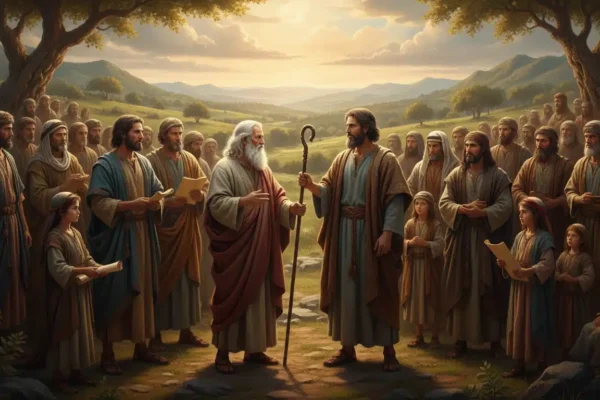
The story of Cain and Abel is one of the most striking stories in the book of Genesis. Located in chapter 4, this narrative goes beyond a simple family conflict; it touches on the roots of humanity, dealing with themes such as envy, justice and our relationship with the divine.
In this article, we'll delve into the details of this story. We'll understand what led to the first crime in history and what lessons this text still has to teach us today.
The Biblical Context
To understand this story, we need to look at what came before. Cain and Abel are the first sons of Adam and Eve, They were born just after leaving the Garden of Eden. The text shows us that each one followed a different path at work:
- Cain: He dedicated himself to farming, cultivating the fruits of the land.
- Abel: He became a shepherd, tending flocks of sheep.
These choices were not just professions, but the stage on which the motivations of each person's heart would begin to emerge.
The Offering of Cain and Abel
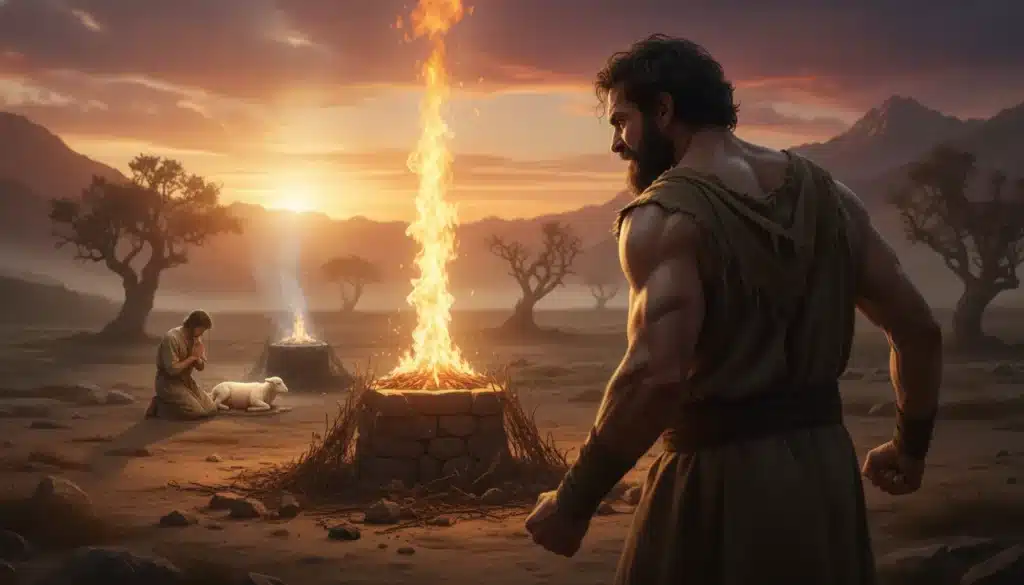
A decisive moment in the brothers' lives was the time to present offerings to God. Abel brought a lamb from his flock, while Cain offered part of his harvest. The big question many people ask is: why was one accepted and the other not?
Scholars suggest that the problem was not with the product on offer, but with the intention. Abel gave his all with a sincere and obedient heart. Cain, on the other hand, seems to have acted automatically, without due reverence or spiritual connection. This shows us that, for the divine, the attitude of the giver is worth more than the gift itself.
Cain's Reaction and the First Conflict
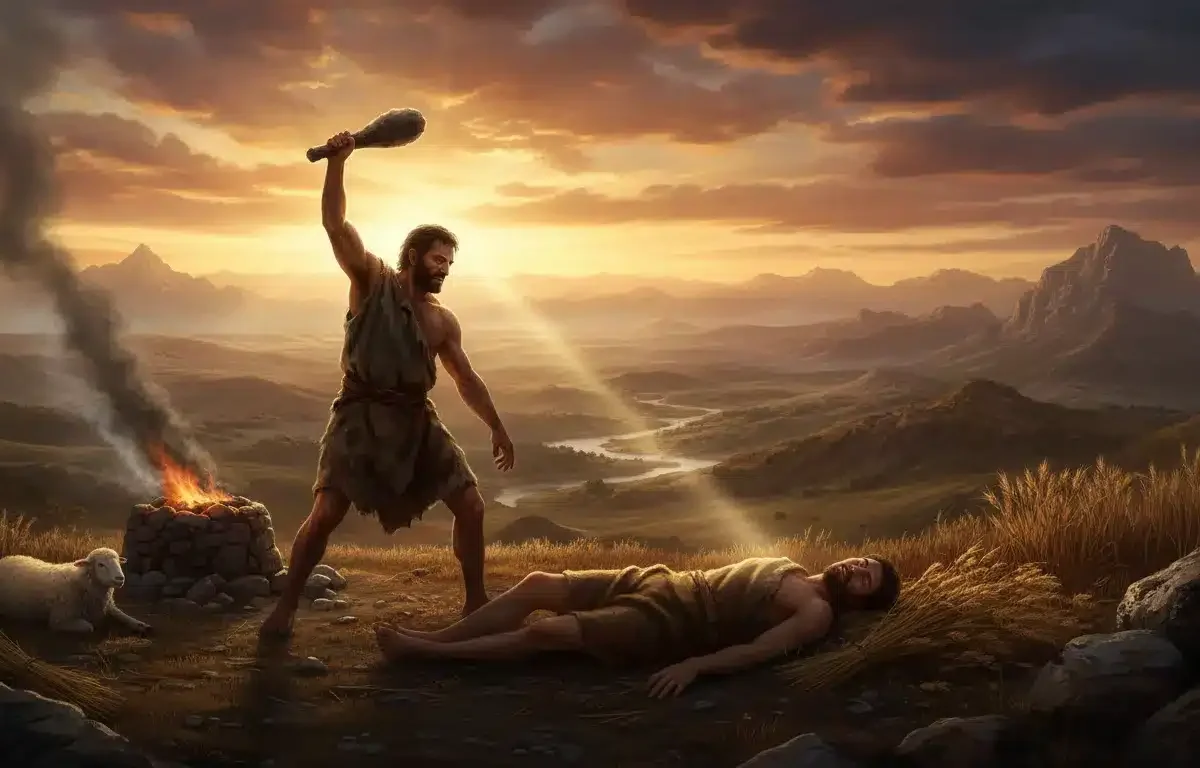
When he realized that his offer had not been accepted, Cain was seized by a deep anger. Instead of looking at himself and trying to improve, he let his envy grow. This feeling culminated in the tragic murder of Abel.
This dark event serves as a warning about human frailty. It reveals how a lack of emotional control and a departure from spiritual values can lead to terrible consequences. It is the first biblical record of how evil can corrupt the closest relationships.



Dialogue and Judgment
After the crime, a remarkable dialog takes place between God and Cain. When asked about his brother's whereabouts, Cain responds with contempt: “Am I my brother's keeper?”.
This phrase still echoes today, reminding us that we do have a responsibility towards one another. As a result, Cain was condemned to be a wanderer in the world. However, even in justice, there was mercy: God placed a sign of protection on Cain so that no one would kill him, showing the balance between punishment and grace.
Lessons for Today
The story of these two brothers has spanned millennia and continues to generate important reflections:
- Psychological impact: Modern psychology uses this story to study sibling rivalry and how to deal with negative emotions such as frustration and competition in a healthy way.
- Culture and Art: From classic paintings to modern films, the duel between “good and evil” represented by Cain and Abel inspires creatives of all eras.
- Social Responsibility: The text challenges us to think about the quality of our choices and the care we should have for the people around us.
In short, Cain and Abel function as a mirror of the human condition. The story invites us to regret, It's about the search for peace and the practice of a genuine spirituality, based on love and not just mechanical rites.
Conclusion
In summary, the story of Cain and Abel is much more than an old story about two brothers. It acts as a mirror of our own internal struggles, making us question how we deal with frustration and the success of others. The conflict that began in the field and the pasture has crossed millennia to teach us that our intentions are worth as much as our actions.
Through this story, we are reminded of the importance of mutual responsibility and caring for those around us. It challenges us to exchange envy for admiration and selfishness for sincere surrender.
In the end, the trajectory of these brothers shaped the basis of human morality, leaving a permanent invitation to repent and build healthier and more spiritual relationships.
Did you enjoy immersing yourself in this reflection on the beginnings of humanity? Keep following our blog to discover more inspiring stories, in-depth analysis and content that feeds the soul and knowledge.
Article Updated
- The story of Cain and Abel, updated in May 2024, remains a fundamental pillar for understanding human nature, sin and divine mercy, resonating with contemporary challenges.
- New modern theological and psychological perspectives deepen the understanding of sibling rivalry, envy and the complex consequences of human free will.
- The cultural and artistic resonance of the narrative endures, inspiring reflections on justice, individual responsibility and the lasting impact of human choices on society.
The Story of Cain and Abel in Perspective: Essential Data
| Aspect | Relevant Detail | Meaning/Implication |
|---|---|---|
| Central characters | Cain (farmer), Abel (shepherd) | They represent the first professions of humanity and the diversity of offerings to God. |
| Nature of the Offers | Cain: fruits of the earth; Abel: first-born of the flock | Divine acceptance was based on the sincerity and attitude of the giver, not just on the offering. |
| Main conflict | Cain's jealousy and anger at Abel's offer. | First recorded murder, demonstrating the destructive consequences of negative emotions. |
| Divine Dialogue | God questions Cain about Abel; Cain responds with sarcasm. | It emphasizes mutual responsibility and Cain's indifference. |
| Consequences | Cain is cursed, he becomes a wanderer; he receives a sign of protection. | It illustrates divine justice, mercy and the lasting ramifications of choices. |
| Current Relevance | Lessons on rivalry, envy, repentance and reconciliation. | It continues to shape perspectives on morality, ethics and the human condition. |
Frequently Asked Questions about Cain and Abel
Why was Abel's offer accepted and Cain's not?
Abel's offering was accepted by God due to his sincerity and the attitude of genuine devotion that accompanied his sacrifice, Unlike Cain's offering, which lacked reverence and a pure heart, focusing more on the formality of the act.
What was Cain's main motivation for killing Abel?
Cain's main motivation was the deep envy and anger generated by God's acceptance of Abel's offering and the rejection of his own. This anger, left unchecked, led to fratricide.
What does the ‘sign of Cain’ mean?
The ‘sign of Cain’ is a distinctive mark that God placed on Cain as protection, ensuring that no one who found him would kill him in retaliation for the murder of Abel. It represents mercy in the midst of judgment.
What moral lessons can we draw from the story of Cain and Abel?
We can draw lessons about the importance of sincerity and purity of intent, the dangers of uncontrolled envy and anger, individual responsibility for one's actions and the need to repent and seek reconciliation.
How has the narrative of Cain and Abel influenced culture and art?
The narrative has influenced culture and art as a recurring theme in literature, painting, sculpture and theater, exploring human duality, the conflict between good and evil, and the consequences of fratricidal murder, becoming a universal archetype.